Introduction to Food Microbiology and Safety
The Role of Peroxyacetic Acid Formulations in Food Factory Disinfection
Discover how peroxyacetic acid formulations stand out as robust disinfectants in food factories, especially for their resistance to organic matter. This article delves into their unique properties, production process, and approved applications in food safety.
Peroxyacetic Acid's Resistance to Organic Matter
Peroxyacetic acid’s most remarkable feature is its ability to retain disinfecting power even in environments rich with organic matter.
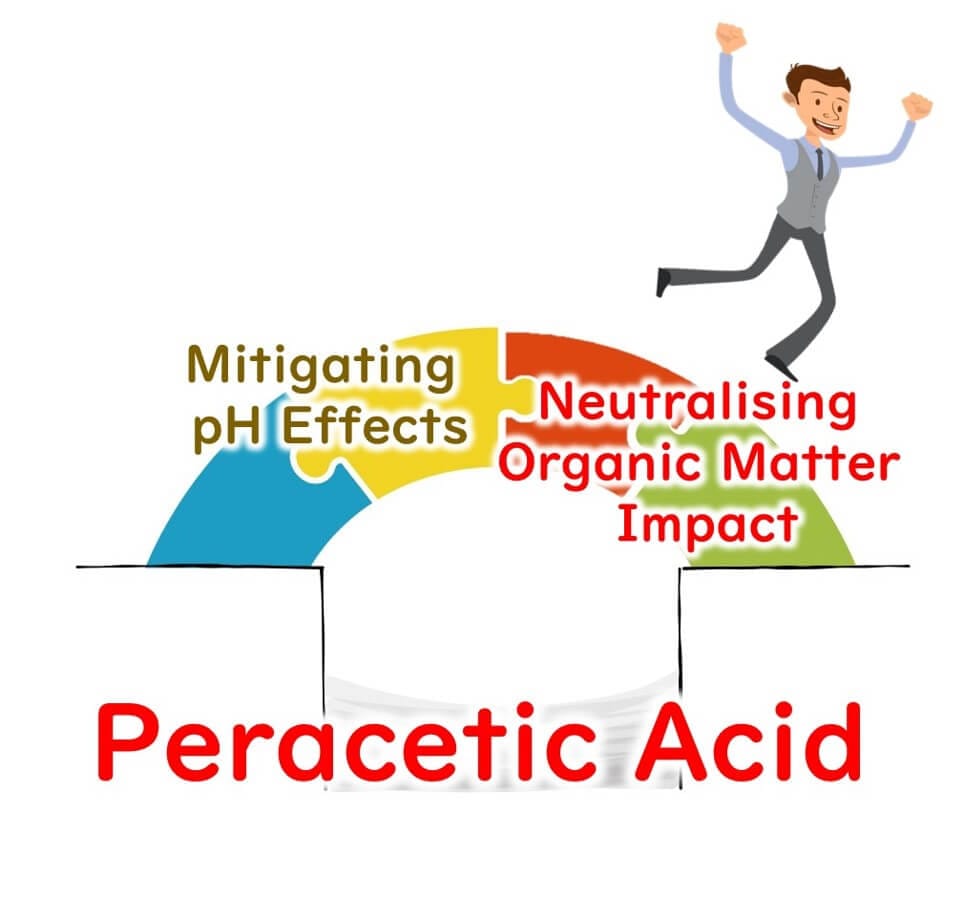
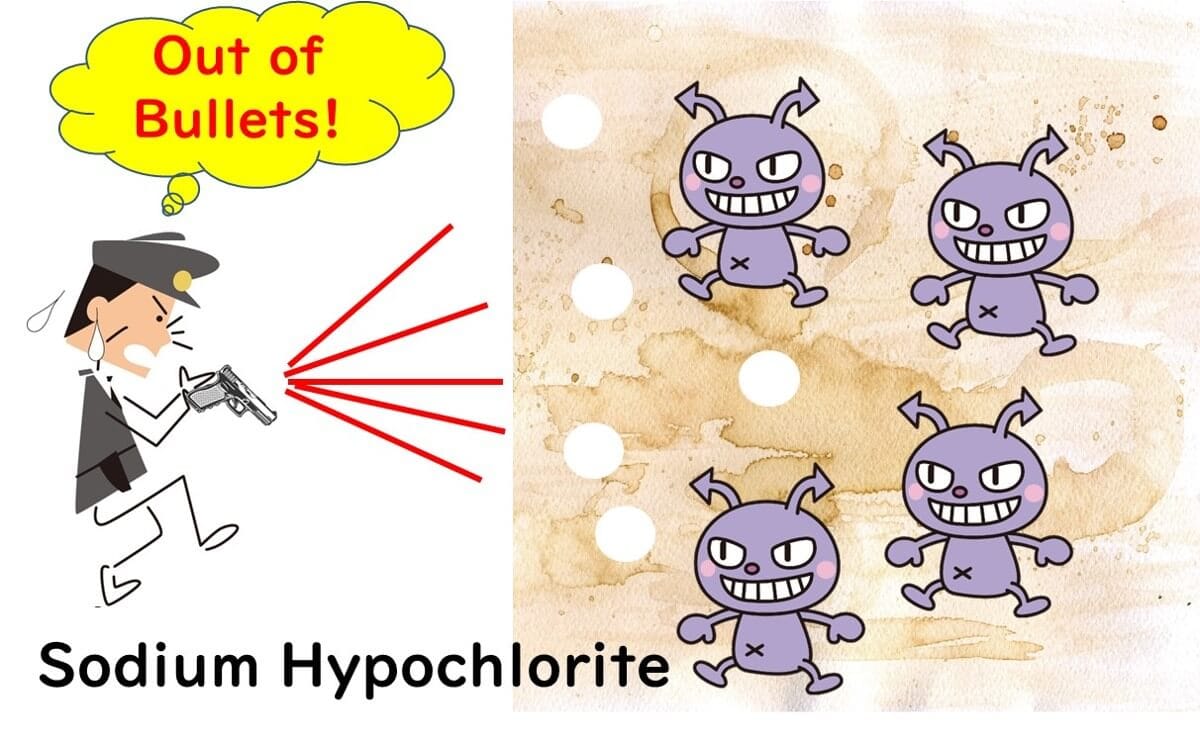
In the case of hypochlorous acid, organic materials on surfaces often consume active oxygen, reducing its effectiveness against microbes. This drawback makes thorough cleaning a prerequisite before disinfection when using hypochlorous acid.
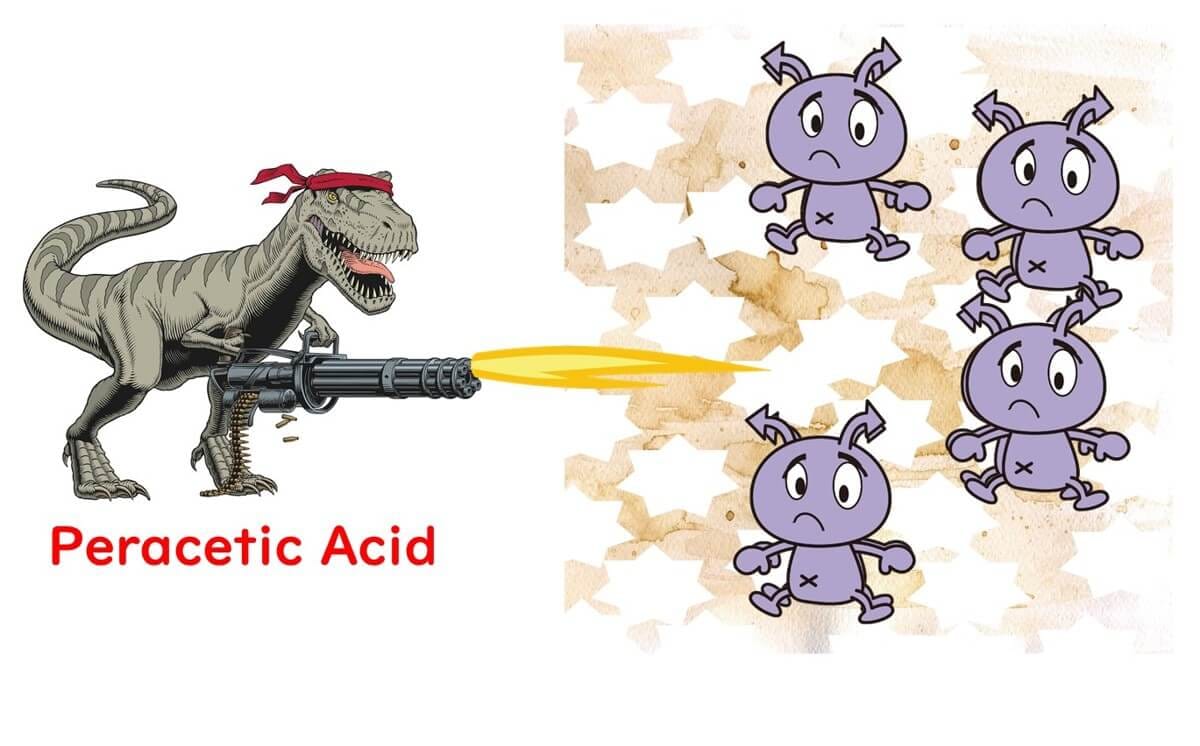
On the other hand, peroxyacetic acid is far less affected by organic substances, allowing it to maintain its microbe-killing efficiency even without perfect pre-cleaning.
How Peroxyacetic Acid is Made
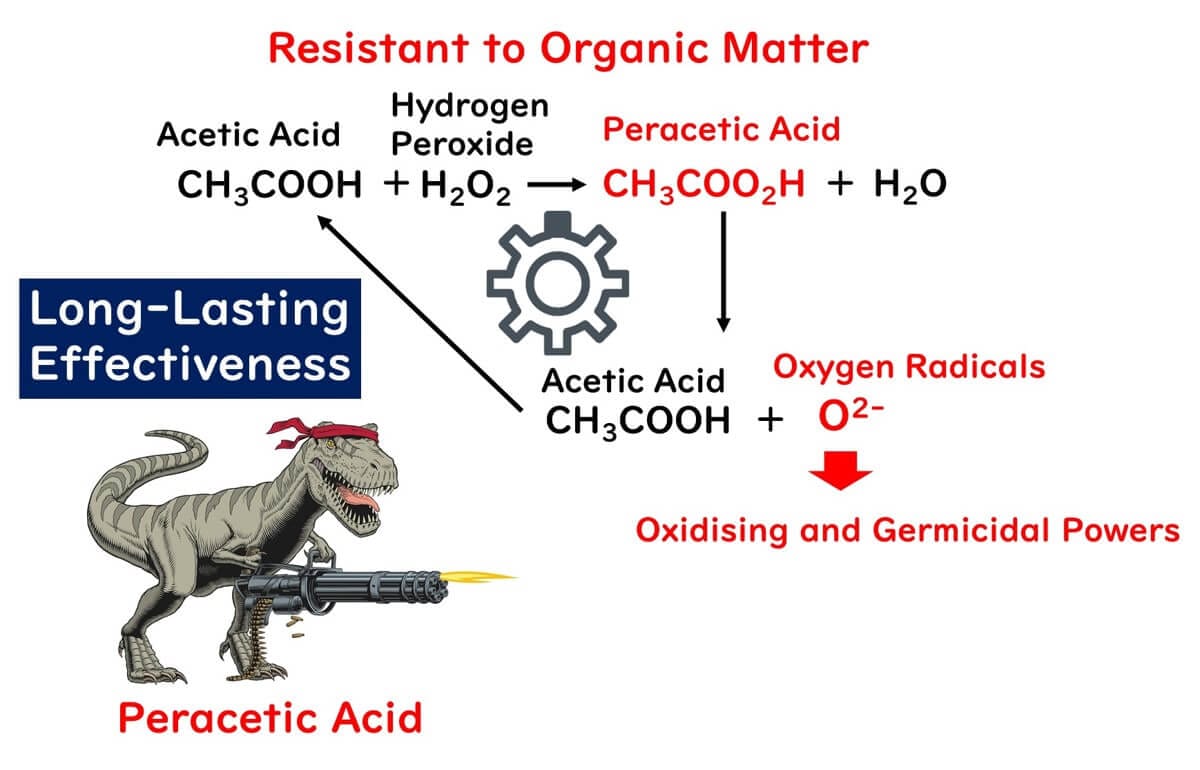
The resilience of peroxyacetic acid to organic matter lies in its unique production process. It is synthesized by adding hydrogen peroxide to acetic acid, resulting in the formation of peroxyacetic acid. Once formed, peroxyacetic acid dissociates into acetic acid and oxygen radicals, which are responsible for its powerful oxidizing effect.
Interestingly, the acetic acid produced in this reaction can revert to the initial acetic acid used for synthesizing peroxyacetic acid, creating a self-sustaining cycle. This cycle ensures that the disinfecting power of peroxyacetic acid remains consistent, even in the presence of substantial organic material.
Standards for Peroxyacetic Acid Formulations
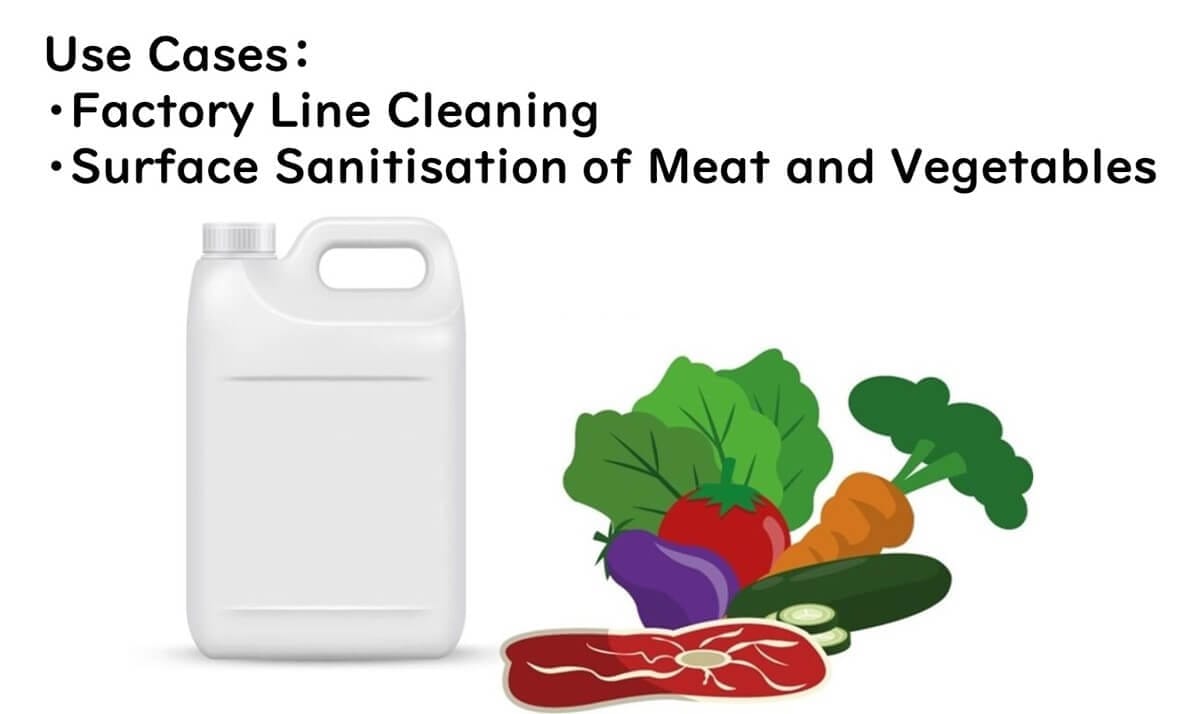
Peroxyacetic acid is widely recognized as a disinfectant across the globe, though its applications are subject to varying regulations. In Japan, it is commonly utilized for cleaning equipment and production lines in food factories. Since 2016, its use has been extended to surface disinfection for meat and vegetables, emphasizing its versatility and regulatory acceptance.
Related posts:
Understanding Disinfectant Mechanisms in Food Factories: The Key to Effective Microbial Control In the critical battlefield of food factories, where invisible foes...
Why 70% Ethanol is the Star of Sterilization: Mechanisms and Limitations In the world of ethanol sterilization, 70% concentration is the...
Optimizing Sodium Hypochlorite Use in Food Factories: Key Insights and Practical Tips Explore the essential role of sodium hypochlorite in maintaining cleanliness...
Unlocking the Power of Acidic Electrolyzed Water in Food Safety Discover the science and applications of acidic electrolyzed water (hypochlorous...

Discover expert-led lessons in food microbiology designed for professionals and beginners alike.

Author of this Blog: Bon Kimura
Bon Kimura, Professor Emeritus at Tokyo University of Marine Science and Technology (TUMSAT), specializes in food microbiology. He obtained his PhD from Kyoto University and became a professor at TUMSAT in 2006, serving as Dean of the Faculty of Marine Science from 2012-2015. Kimura has published over 200 international papers on food safety, pathogens, and spoilage bacteria. He has received multiple awards, including the Japanese Society for Food Microbiology Award (2019). Kimura also served as an editor for the International Journal of Food Microbiology from 2012 to 2024, where he was the principal reviewer for 1,927 papers.
Copyright © Introduction to Food Microbiology and Safety All Rights Reserved.