Introduction to Food Microbiology and Safety
PCR Testing in Food Microbiology: Key Principles, Benefits, and Applications
PCR testing in food microbiology offers unmatched advantages over traditional culturing methods, particularly in terms of speed and precision. However, without a proper understanding of the technical aspects and risks associated with PCR, unexpected pitfalls may arise. This article delves into the fundamental principles of PCR, its applications in detecting microorganisms, and the key considerations for effective use in food safety.
The Role and Benefits of Genetic Testing in Food Microbiological Analysis
Before diving into this article, I recommend reading a separate piece that explains the basics of PCR technology in detail.
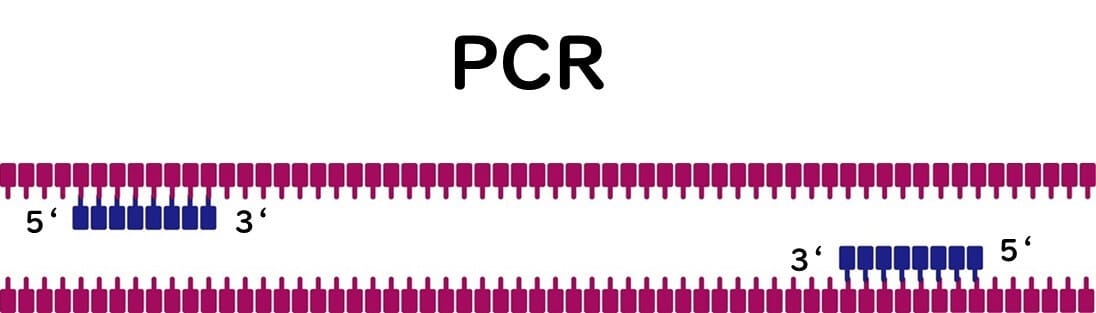
PCR (Polymerase Chain Reaction) allows for the direct extraction of microbial genes from food samples and the detection of target bacteria without the need for culturing.
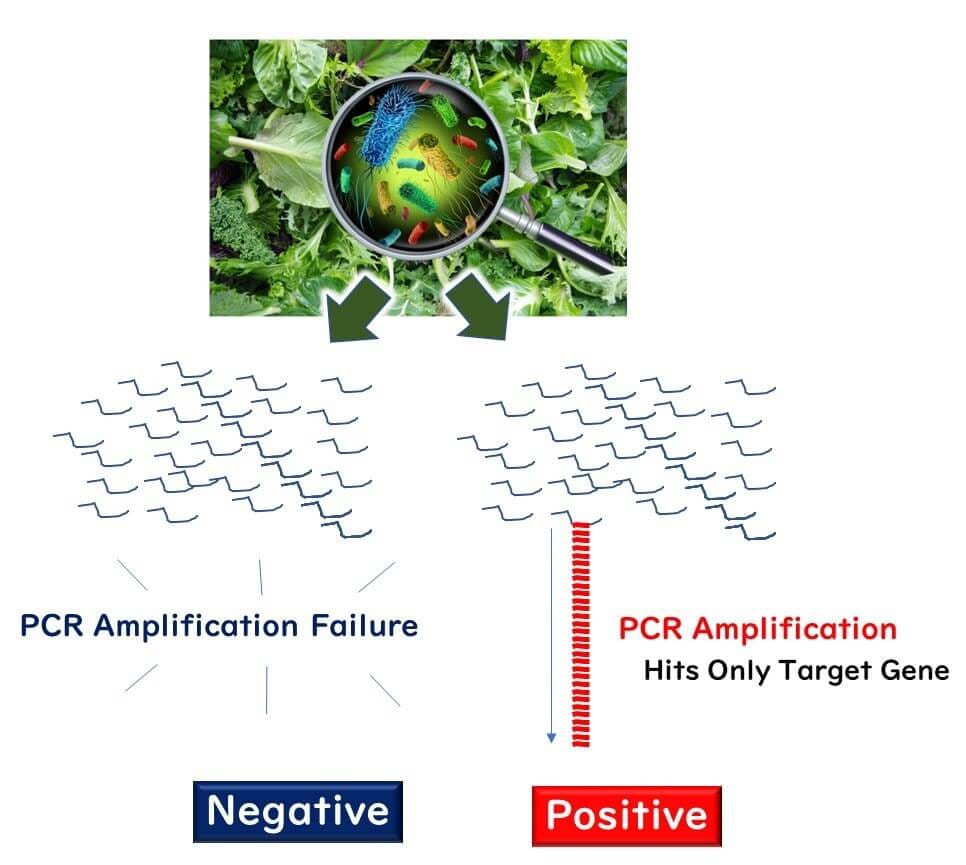
This revolutionary approach provides significant benefits for food microbiological analysis.
Speed
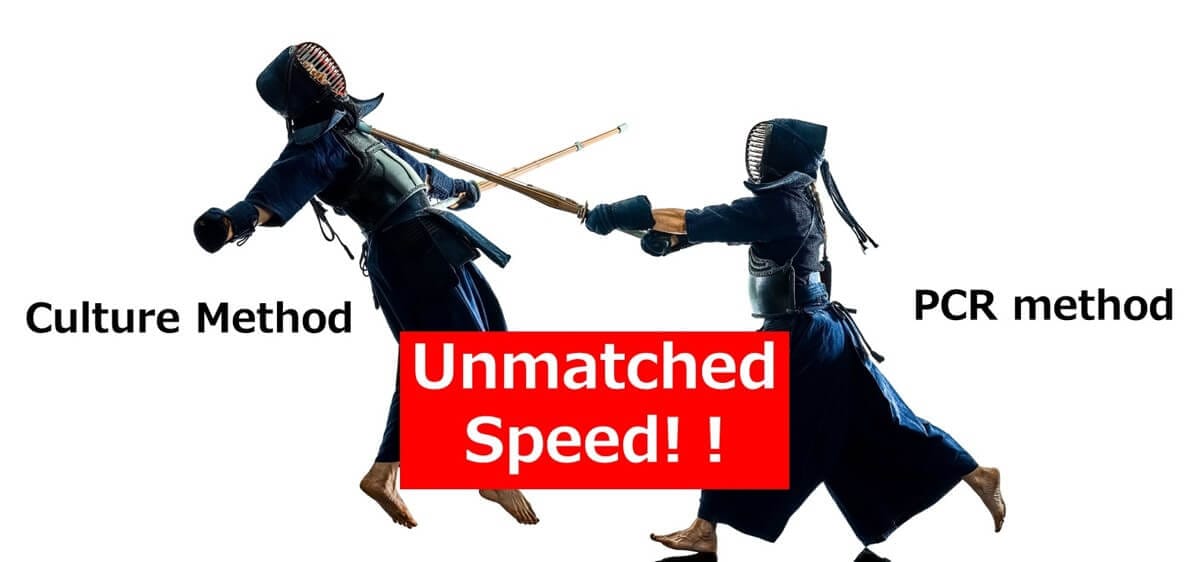
PCR is significantly faster than traditional culturing methods, which often require 24–72 hours. The rapidity of PCR testing makes it ideal for large-scale sample processing.
Efficiency
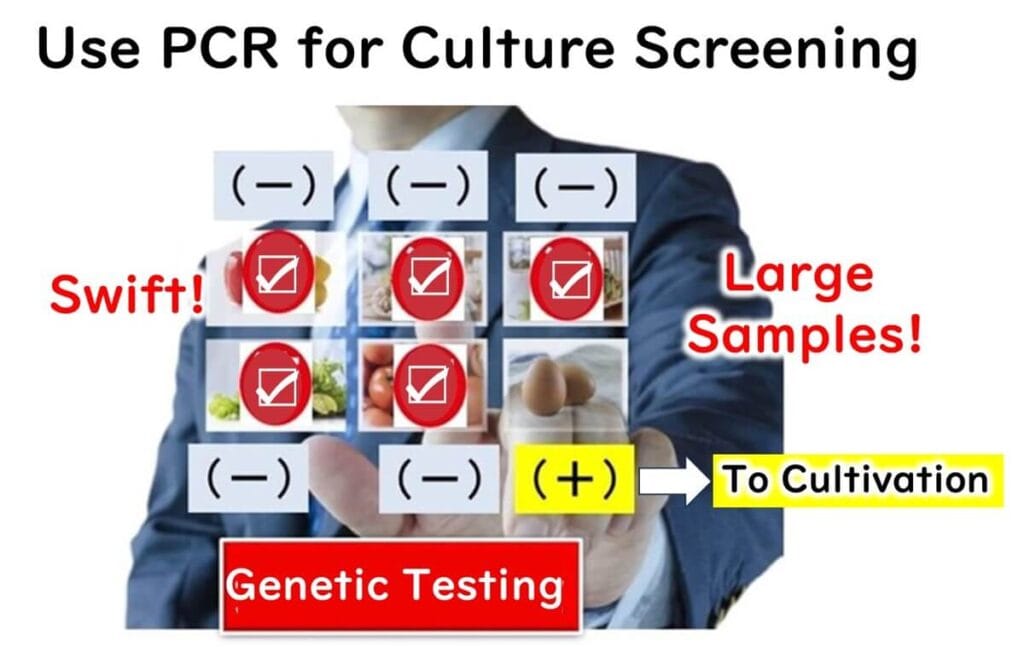
PCR can process numerous samples efficiently, reducing the time and resources required for analysis.
As mentioned in another article, PCR serves as an effective preliminary tool, narrowing down potential samples for further analysis through traditional culturing methods.
Risks and Considerations of PCR Testing
While PCR testing offers unmatched speed and efficiency, it is not without its challenges. Understanding the risks and limitations of PCR technology is essential to ensure reliable results. As stated above, PCR is an excellent method for confirming the presence of specific microorganisms in food.

However, like any technology, incorrect usage can lead to unexpected pitfalls.
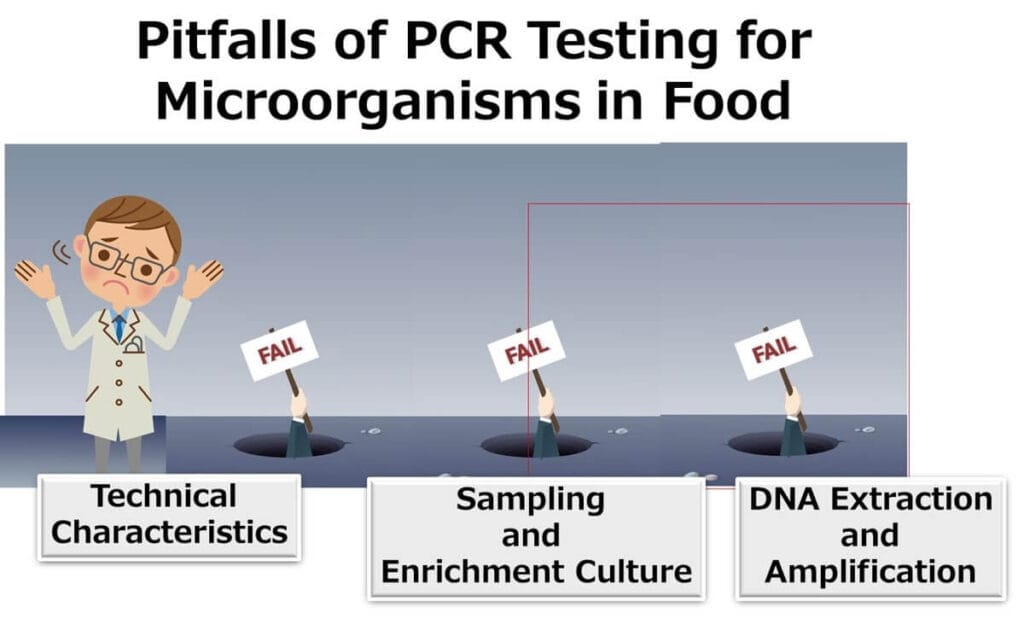
Key considerations include:
Understanding Technical Characteristics
A thorough understanding of PCR's technical aspects, such as primer design, annealing temperature, and amplification cycles, is crucial for obtaining accurate and reproducible results.
Sampling and Enrichment Culturing
Effective sample preparation, including enrichment culturing to amplify target bacteria, ensures that PCR testing achieves the sensitivity needed for accurate detection.
Gene Extraction to Amplification:
The process of extracting target genes and amplifying them involves multiple steps where contamination or technical errors can compromise results. Careful handling and validation at each stage are essential.

Discover expert-led lessons in food microbiology designed for professionals and beginners alike.

Author of this Blog: Bon Kimura
Bon Kimura, Professor Emeritus at Tokyo University of Marine Science and Technology (TUMSAT), specializes in food microbiology. He obtained his PhD from Kyoto University and became a professor at TUMSAT in 2006, serving as Dean of the Faculty of Marine Science from 2012-2015. Kimura has published over 200 international papers on food safety, pathogens, and spoilage bacteria. He has received multiple awards, including the Japanese Society for Food Microbiology Award (2019). Kimura also served as an editor for the International Journal of Food Microbiology from 2012 to 2024, where he was the principal reviewer for 1,927 papers.

Copyright © Introduction to Food Microbiology and Safety All Rights Reserved.