Introduction to Food Microbiology and Safety
Essential Guide to the Oxidase Test: Key Method for Identifying Gram-Negative Bacteria, Including Enterobacteriaceae
This article explains the Oxidase Test—what it is, how it works, and why it’s essential for identifying Gram-negative bacteria like Enterobacteriaceae. Learn about the principles, steps, potential for false positives, and why this test is crucial in food microbiology and safety.
What is the Oxidase Test in Microbiology?
Originally developed for clinical testing, the Oxidase Test helps distinguish between different types of Gram-negative bacteria. For instance, if bacteria isolated from a patient are Gram-negative, this test quickly determines whether they are Pseudomonas (like Pseudomonas aeruginosa), which are oxidase-positive, or other bacteria from the Enterobacteriaceae family, which are oxidase-negative.
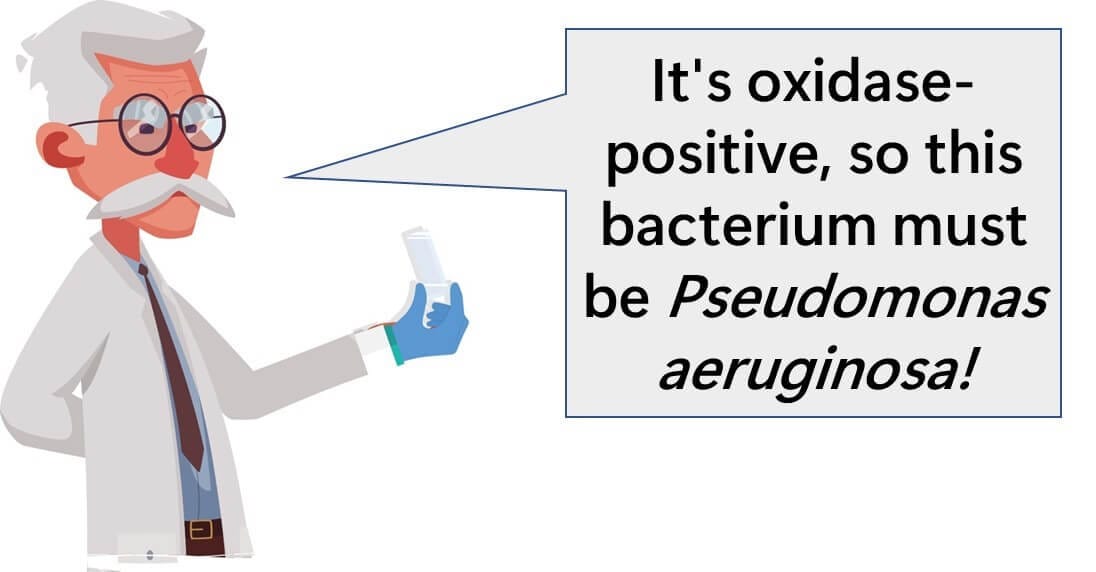
Initially, the Oxidase Test was developed by Gordon and MLend in 1928, mainly to identify gonococcus. However, the paper-based version of the Oxidase Test, which uses TMPD reagents, was improved by Kovacs in 1956. Through this test, Kovacs discovered that Pseudomonas turned purple, while other Gram-negative bacteria like E. coli did not change color, allowing for quick differentiation.
In clinical tests, especially in emergency cases where there's no time to wait for culture results, physicians often use the Oxidase Test for rapid bacterial identification. After isolating bacteria from a patient's blood sample and confirming they are Gram-negative, the Oxidase Test allows for quick determination of whether these bacteria are Pseudomonas or other types of Gram-negative bacteria, usually from the Enterobacteriaceae family.
Why is the Oxidase Test Essential for Gram-Negative Bacteria Identification?
The Oxidase Test detects Cytochrome c oxidase, an enzyme involved in the electron transport chain crucial for aerobic respiration. This test is particularly useful because not all bacteria contain this enzyme. For example:
Lactic acid bacteria that don't even have a citric acid cycle.
Some anaerobic bacteria that do have the citric acid cycle but don't use oxygen as the final electron acceptor.
From a practical perspective in food microbiology,
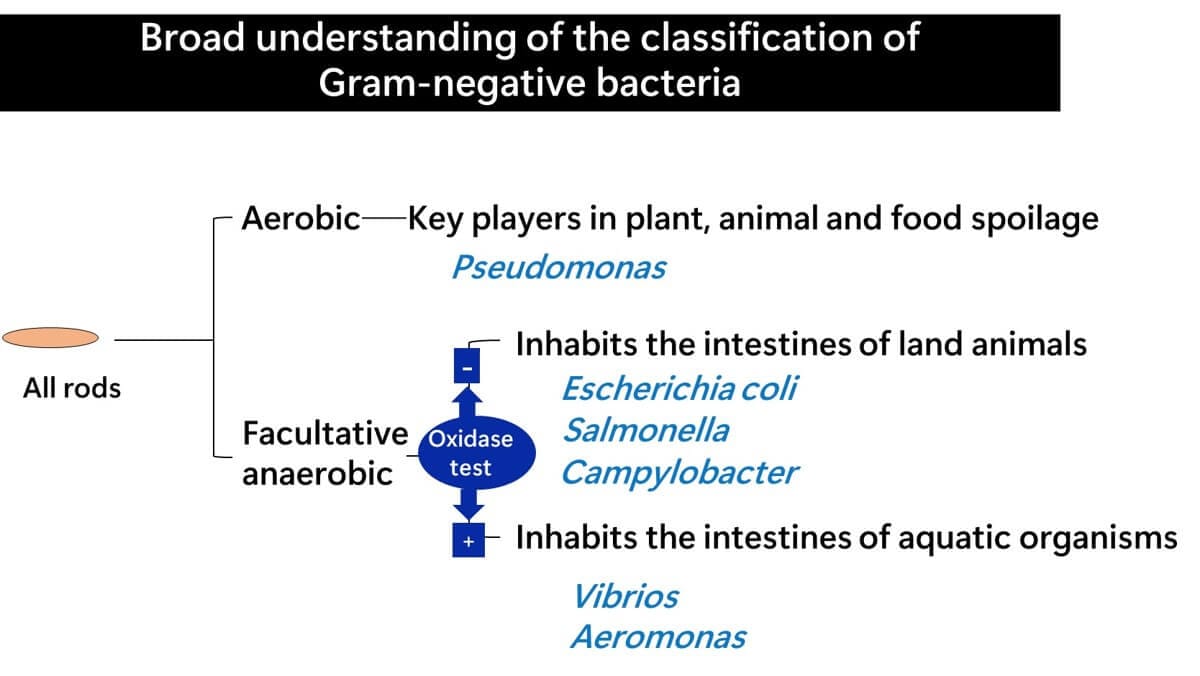
The oxidase test is not used to test Gram-positive bacteria as almost all of them are negative, and therefore there is no need to use it.
Instead, the oxidase test is used to differentiate between Gram-negative bacteria, particularly between the Enterobacteriaceae group (which are oxidase-negative) and other Gram-negative bacteria.
This is roughly how it should be understood. The oxidase test is also used to further classify bacteria that were previously identified as fermentative (F) in the OF test.
Bacteria whose main habitat is seawater or freshwater, such as Vibrio and Aeromonas, are oxidase positive.
Bacteria whose primary habitat is the gut of terrestrial animals, such as E. coli and Salmonella, are oxidase-negative.
How the Oxidase Test Identifies Key Enzymes in Bacteria
Cytochrome c oxidase is a critical enzyme involved in bacterial aerobic respiration.
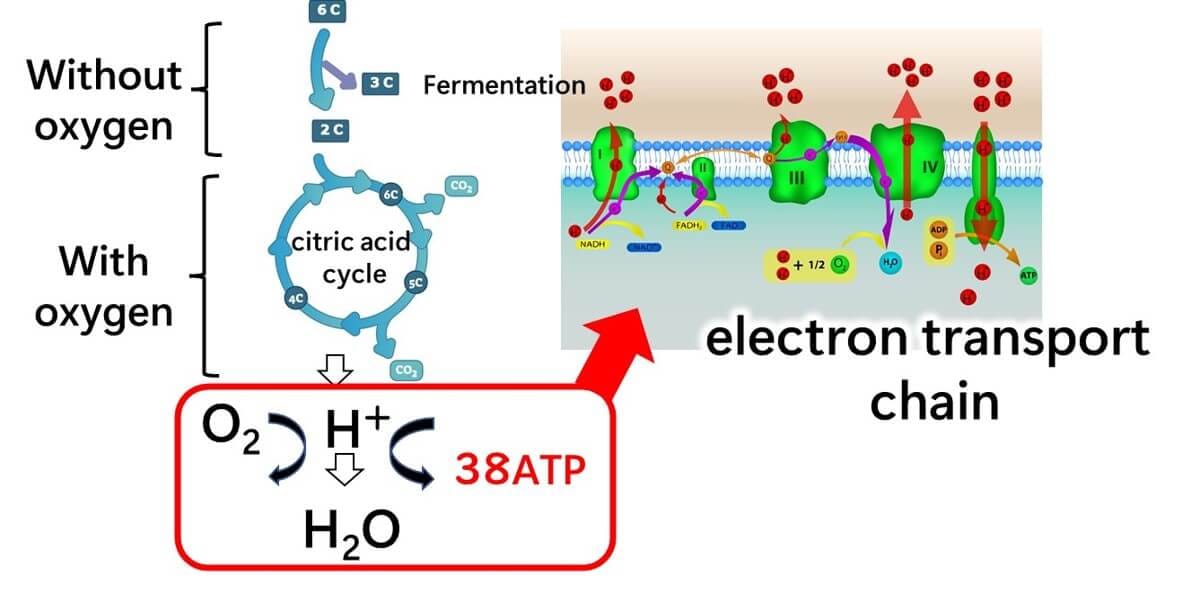
This enzyme plays a role in transferring hydrogen from the citric acid cycle to oxygen, the final electron acceptor.
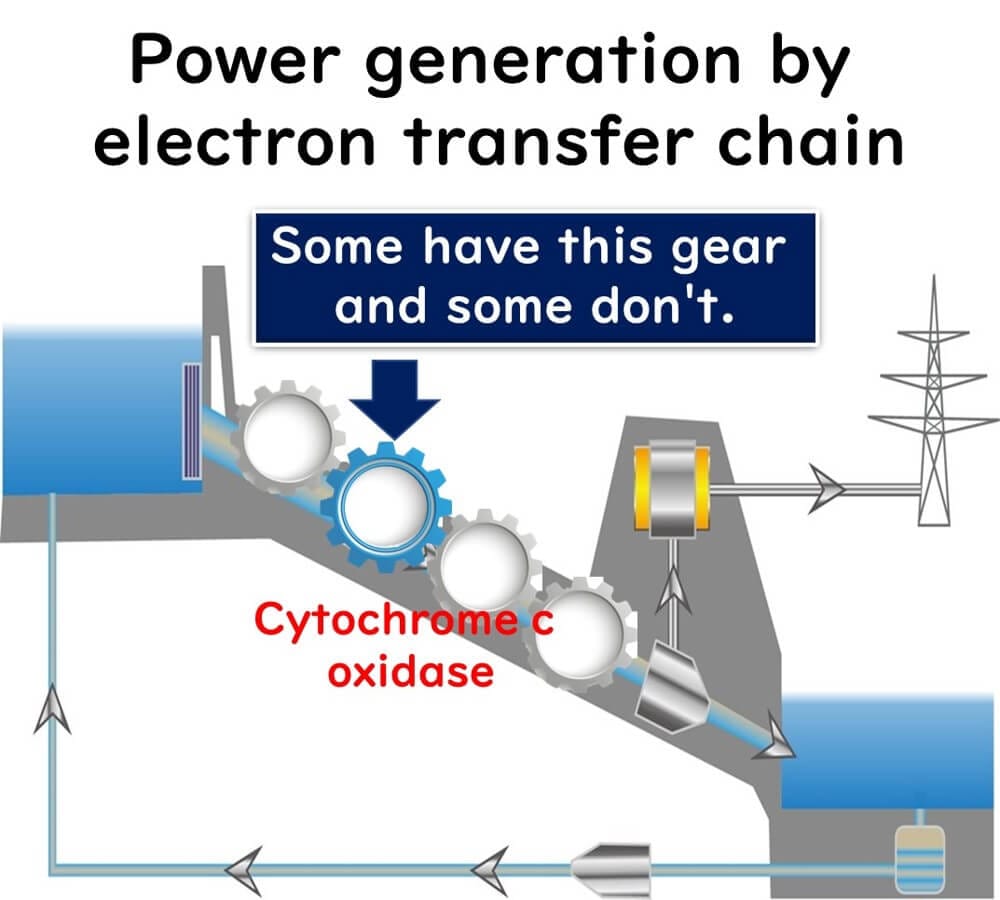
The Oxidase Test is specifically designed to detect the presence of this enzyme in bacteria.
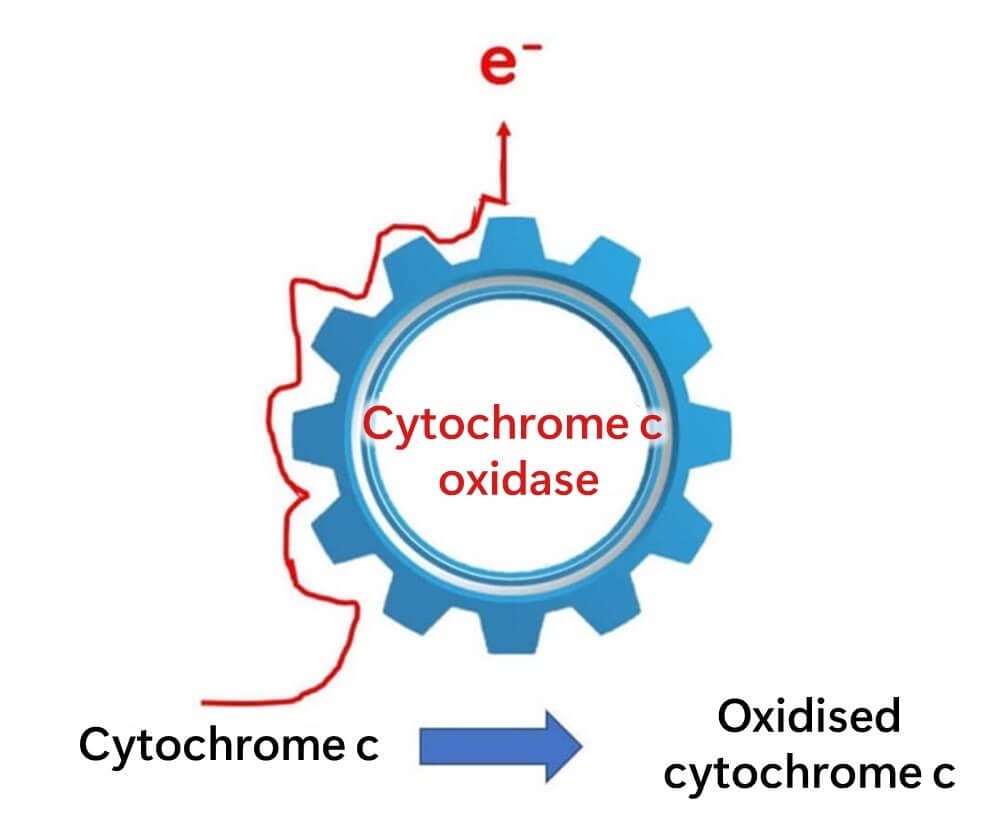
In this test, Cytochrome c oxidase interacts with the reagent TMPD (Tetra-methyl-p-phenylenediamine dihydrochloride), a color indicator. When TMPD is oxidized by Cytochrome c oxidase, it turns purple, signaling that the bacteria being tested are oxidase-positive. This purple color change is a clear indicator of the enzyme's presence.
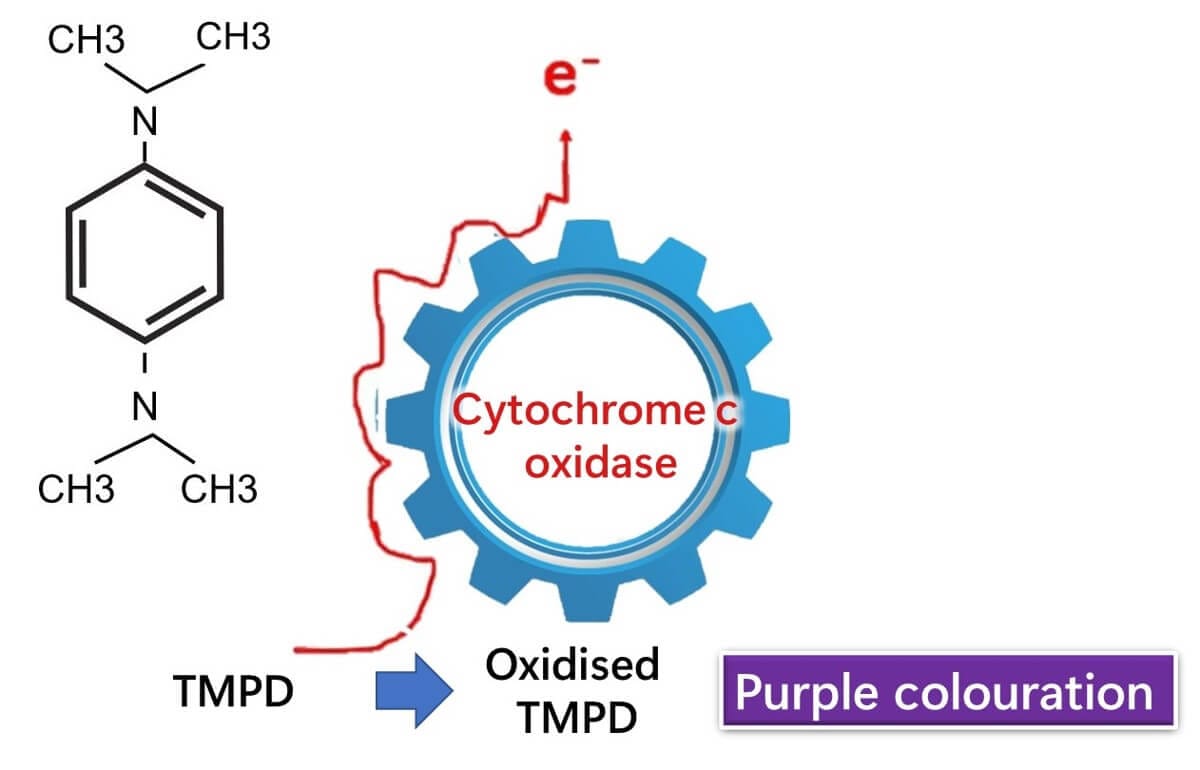
Simply put, TMPD serves as an artificial electron donor. When bacteria with Cytochrome c oxidase remove electrons from TMPD, the reagent’s color shifts to purple, confirming the presence of the enzyme.
Quick Steps to Conduct the Oxidase Test for Bacterial Identification
For a complete and detailed procedure, please consult your laboratory manual. Here’s a quick summary of the steps:
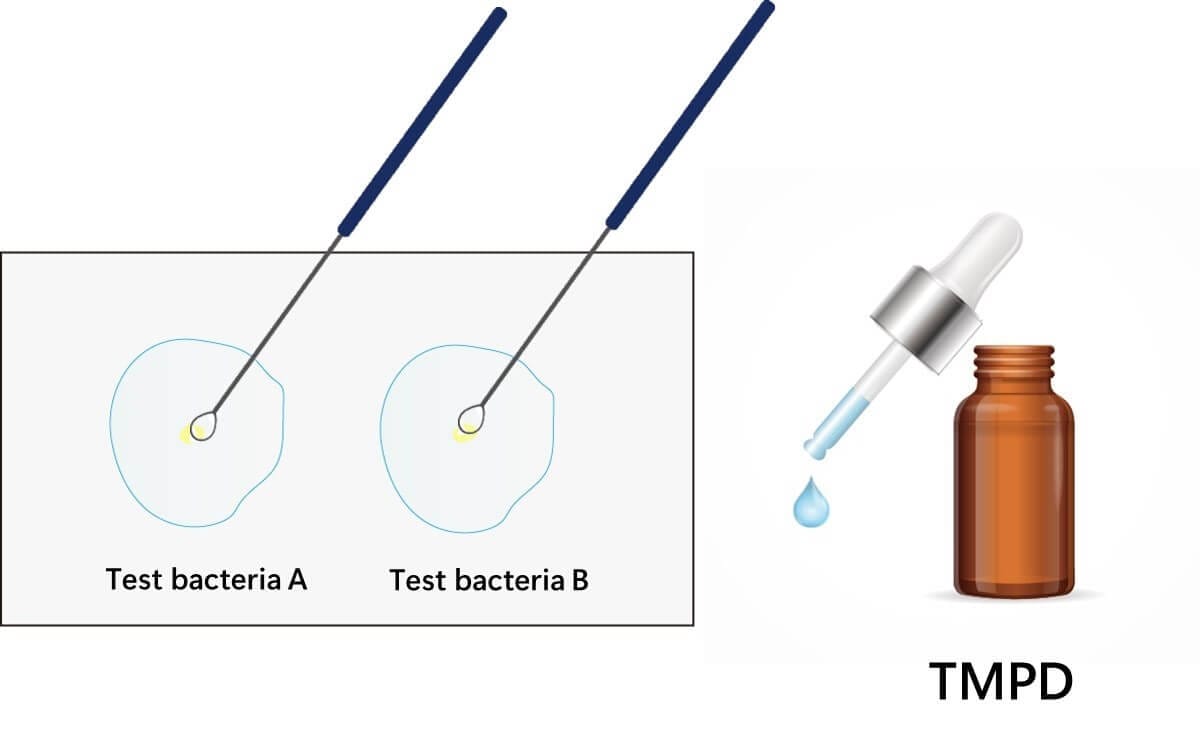
Add a drop of TMPD solution onto filter paper or a glass slide.
Using a platinum loop, smear a bacterial sample onto the TMPD.
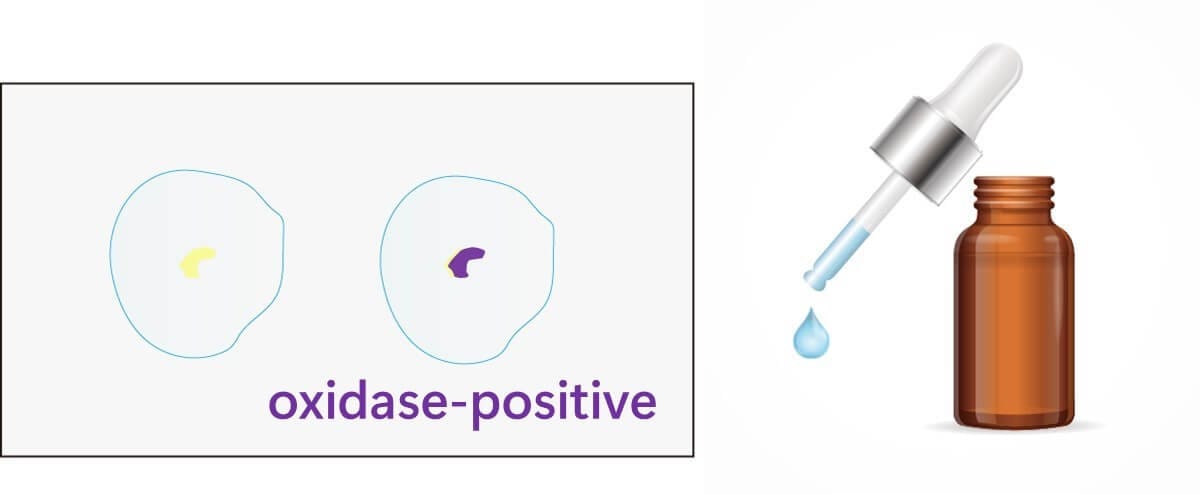
Observe the color change within 10 seconds. A purple color indicates an oxidase-positive result; if there’s no color change, the result is oxidase-negative.
Important Considerations for Accurate Oxidase Test Results
Time Sensitivity: The oxidation of TMPD naturally progresses over time, so make sure to observe any color changes within 10 seconds to avoid false positives.
Use of Loops: Avoid using Nichrome wire loops, as their own oxidative properties can cause false positives. Instead, use platinum loops for accurate results.
Control Samples: Beginners are advised to use known oxidase-positive controls like Pseudomonas and oxidase-negative controls like E. coli to ensure reliable test results.
And that’s it—a straightforward yet comprehensive guide to the Oxidase Test, a fundamental method for identifying Gram-negative bacteria in microbiology.
Related posts:
Microorganisms and Humanity: A Brief Encounter in Earth's 4-Billion-Year History (3) When studying food microbiology, it’s easy to focus solely on...
E. coli O157: Why Only Humans Suffer Foodborne Illness While Cattle Remain Unharmed? (3) As a university professor specialising in food microbiology, I often...
Can Salmonella and E. coli O157 Spread in Toilets or Through Conversation? Understanding Foodborne Bacteria Transmission (3) Welcome! In this article, we delve into some essential questions...
Lactic Acid Bacteria: From Fermentation Heroes to Food Spoilage Villains (3) Lactic acid bacteria are celebrated for their role in creating...

Discover expert-led lessons in food microbiology designed for professionals and beginners alike.

Author of this Blog: Bon Kimura
Bon Kimura, Professor Emeritus at Tokyo University of Marine Science and Technology (TUMSAT), specializes in food microbiology. He obtained his PhD from Kyoto University and became a professor at TUMSAT in 2006, serving as Dean of the Faculty of Marine Science from 2012-2015. Kimura has published over 200 international papers on food safety, pathogens, and spoilage bacteria. He has received multiple awards, including the Japanese Society for Food Microbiology Award (2019). Kimura also served as an editor for the International Journal of Food Microbiology from 2012 to 2024, where he was the principal reviewer for 1,927 papers.

Copyright © Introduction to Food Microbiology and Safety All Rights Reserved.