Introduction to Food Microbiology and Safety
Mastering the OF Test: A Guide to Understanding Gram-Negative Bacteria in Food Safety
How can we identify and differentiate bacteria, especially when it comes to ensuring food safety? The Oxidation-Fermentation (OF) Test is a simple yet powerful tool used in microbiology to classify bacteria based on their oxygen and glucose usage. This article will guide you through its purpose, process, and importance for food safety professionals.
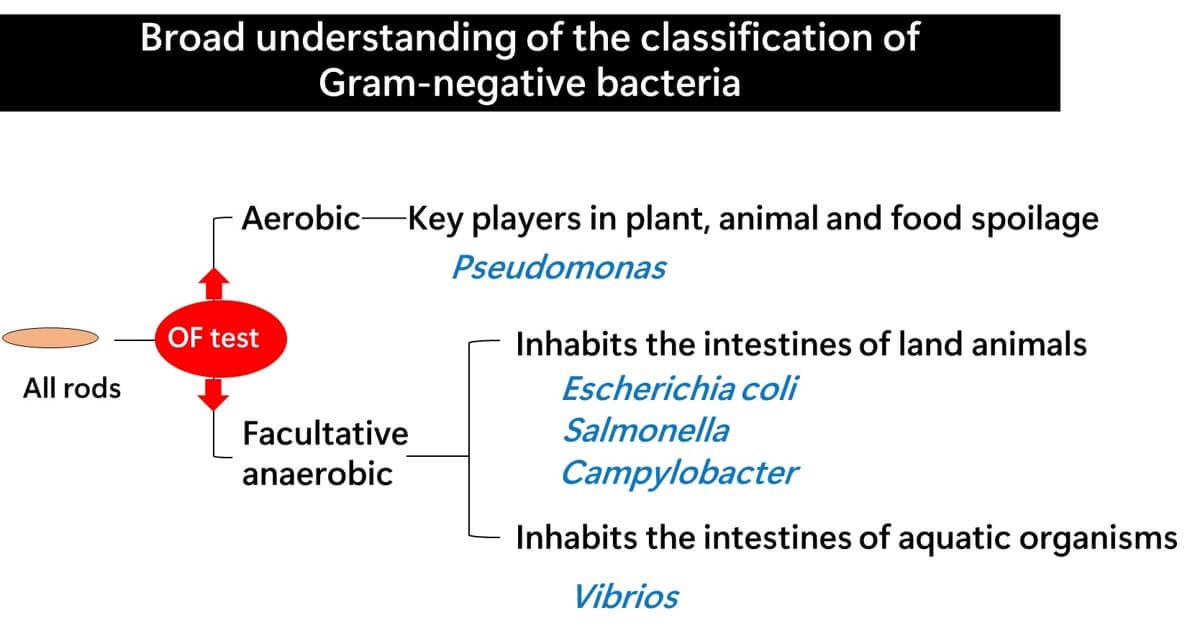
What the OF Test Is and Why It Matters
Have you ever wondered how microbiologists identify the types of bacteria in food? The Oxidation-Fermentation (OF) Test is a simple yet powerful method used to differentiate bacteria based on their metabolic pathways. This test is particularly important in food microbiology, as it helps determine whether bacteria metabolize glucose through oxidation, fermentation, or neither.
Understanding the OF Test is essential for ensuring food safety, as it provides critical insights into bacterial behavior that can impact the quality and safety of food products.

How to Conduct the OF TestLet’s dive into the step-by-step process of performing this test:
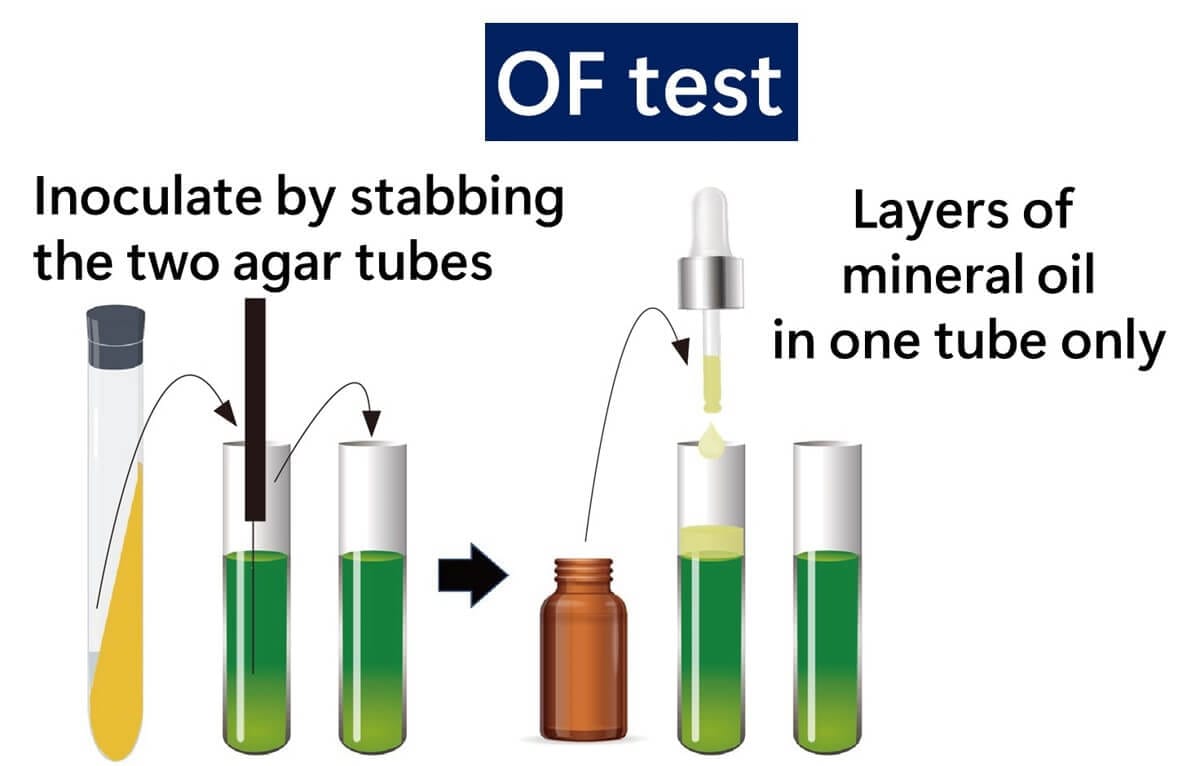
Prepare the Test Tubes
Begin with two test tubes containing agar medium enriched with nutrients and glucose. Add a pH indicator, such as bromthymol blue, which appears green at a neutral pH but turns yellow in acidic conditions. This indicator helps identify whether the bacteria produce acid as a metabolic byproduct.Inoculate the Bacteria
Using a sterilized wire or loop, introduce the test bacteria into both tubes. Ensure the bacteria are evenly distributed by inserting the wire deep into the agar.Create an Anaerobic Environment
Cover one of the test tubes with a layer of mineral oil to block oxygen exposure. The other tube remains uncovered to allow oxygen access.Why is this important?
This setup allows us to observe bacterial growth under aerobic (with oxygen) and anaerobic (without oxygen) conditions, providing key information about their metabolic preferences.Interpret the Results
If bacteria grow only in the oxygen-exposed tube, they are aerobic.
If growth occurs in both tubes, the bacteria are likely facultative anaerobes.
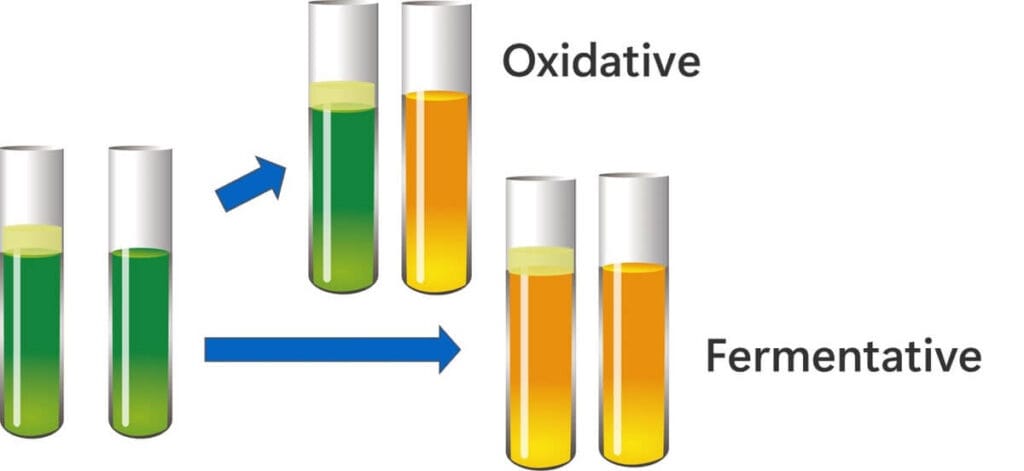
A change in the medium’s color to yellow indicates glucose metabolism resulting in acid production.
This straightforward test is a vital tool in identifying bacterial traits and assessing potential risks in food safety.
What the Test Tells Us
The OF test reveals two crucial aspects of bacterial behavior: their ability to ferment glucose and their oxygen preferences. Here's how the results can be interpreted:
Growth Patterns:
Aerobic Bacteria: If bacteria grow only in the oxygen-exposed tube, they are classified as aerobic bacteria, which rely on oxygen for growth.
Facultative Anaerobic Bacteria: If bacteria grow in both the oxygen-exposed and oxygen-blocked tubes, they are facultative anaerobes, capable of surviving in both oxygen-rich and oxygen-poor environments.
Color Changes:
The pH indicator (bromthymol blue) provides additional insights.
For aerobic bacteria, only the oxygen-exposed tube turns yellow, indicating acid production from glucose metabolism.
For facultative anaerobes, both tubes turn yellow, showing that these bacteria can ferment glucose in both conditions.
Glucose Utilization:
Some bacteria cannot metabolize glucose. In these cases, the medium remains green, regardless of oxygen availability. However, their growth pattern still reveals whether they prefer oxygen-rich or oxygen-poor conditions.
Why Should We Care?
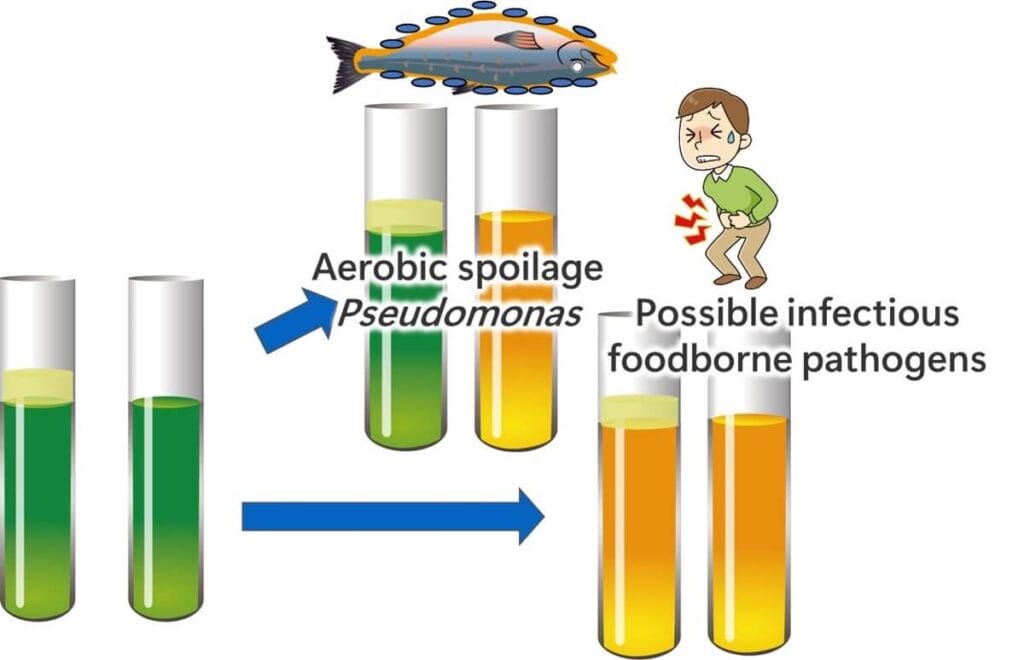
Why is understanding the OF test so important? Identifying whether bacteria are aerobic Gram-negative bacteria or facultative anaerobes has significant implications for food safety:
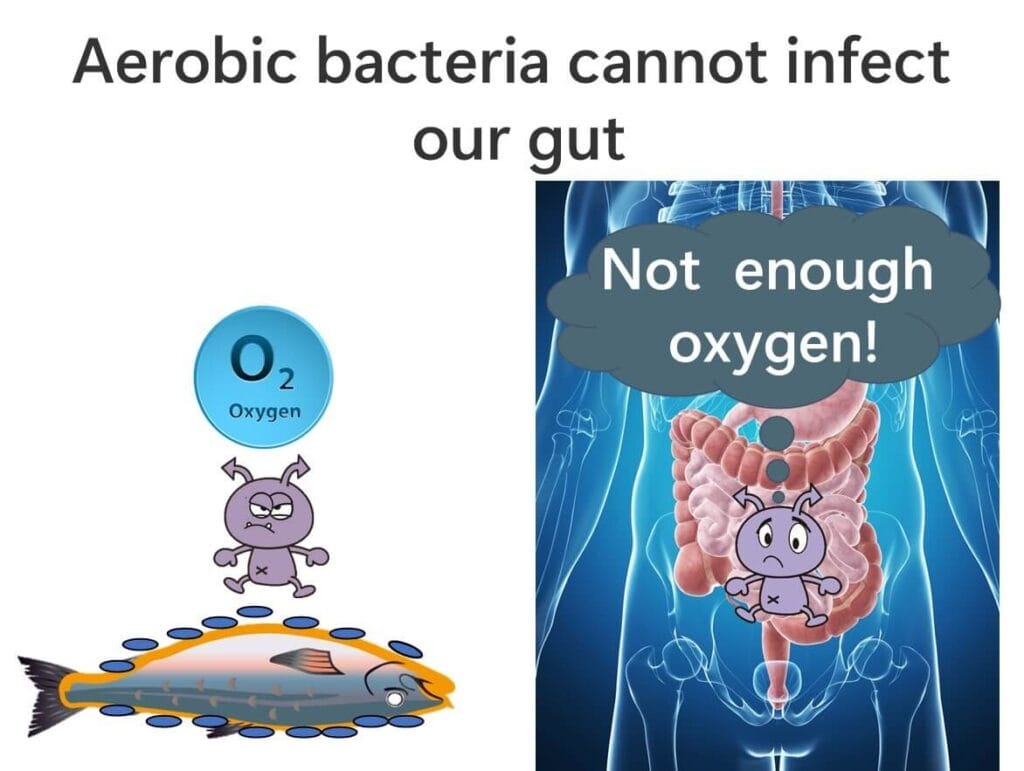
Aerobic Gram-Negative Bacteria:
These bacteria are primarily decomposers and are not typically harmful to humans.
This is because our gut is a low-oxygen environment, which makes it difficult for oxygen-dependent bacteria to thrive.
Facultative Anaerobic Bacteria:
These bacteria are more concerning because they can grow in both oxygen-rich and oxygen-poor environments.
This adaptability allows them to survive in diverse conditions, including inside the human gut, making them common culprits of foodborne illnesses.
Why Should We Care?
Why is understanding the OF test so important? Identifying whether bacteria are aerobic Gram-negative bacteria or facultative anaerobes has significant implications for food safety:
Aerobic Gram-Negative Bacteria:
These bacteria are primarily decomposers and are not typically harmful to humans.
This is because our gut is a low-oxygen environment, which makes it difficult for oxygen-dependent bacteria to thrive.
Facultative Anaerobic Bacteria:
These bacteria are more concerning because they can grow in both oxygen-rich and oxygen-poor environments.
This adaptability allows them to survive in diverse conditions, including inside the human gut, making them common culprits of foodborne illnesses.
In conclusion, the OF test is a crucial tool for distinguishing these two types of bacteria, helping to ensure the safety of our food. By understanding their metabolic preferences, we can better predict and manage potential risks in food microbiology.
Further Exploration
Interested in learning more about how oxygen influences microbial growth? Check out my other article:
This guide dives deeper into the relationship between bacteria and oxygen, offering practical insights for food safety professionals.
Related posts:
Microorganisms and Humanity: A Brief Encounter in Earth's 4-Billion-Year History When studying food microbiology, it’s easy to focus solely on...
Gram Staining and Microbial Properties: A Comprehensive Overview Understanding the fundamental differences between Gram-positive and Gram-negative bacteria is...
Homo- and Heterofermentative Lactic Acid Bacteria When it comes to lactic acid bacteria, we can divide...
A Comprehensive Guide to Gram-Negative and Gram-Positive Bacteria: Key Differences and Environmental Adaptations Understanding the unique characteristics of Gram-negative and Gram-positive bacteria is...

Discover expert-led lessons in food microbiology designed for professionals and beginners alike.

Author of this Blog: Bon Kimura
Bon Kimura, Professor Emeritus at Tokyo University of Marine Science and Technology (TUMSAT), specializes in food microbiology. He obtained his PhD from Kyoto University and became a professor at TUMSAT in 2006, serving as Dean of the Faculty of Marine Science from 2012-2015. Kimura has published over 200 international papers on food safety, pathogens, and spoilage bacteria. He has received multiple awards, including the Japanese Society for Food Microbiology Award (2019). Kimura also served as an editor for the International Journal of Food Microbiology from 2012 to 2024, where he was the principal reviewer for 1,927 papers.

Copyright © Introduction to Food Microbiology and Safety All Rights Reserved.