Introduction to Food Microbiology and Safety
Lactic Acid Bacteria: From Fermentation Heroes to Food Spoilage Villains
Lactic acid bacteria are celebrated for their role in creating yogurt and other fermented foods, but not all are friendly. Some of these bacteria are key contributors to food spoilage, particularly in modern chilled and vacuum-sealed products. In this article, we explore their dual role, examining how they shift from fermentation heroes to spoilage villains in today’s food industry.
What Are Lactic Acid Bacteria?
Lactic acid bacteria are a group of Gram-positive bacteria known for their role in fermenting foods like yogurt, cheese, and pickles. They are anaerobic or facultatively anaerobic, thriving in low-oxygen environments. If you're looking for a deeper dive into their characteristics and classification, check out our detailed article on this topic. One key distinction of lactic acid bacteria is their negative catalase test result, which sets them apart from other Gram-positive bacteria like Staphylococcus aureus.
Why Focus on Lactic Acid Bacteria in Food Spoilage?
With the rise of chilled packaged foods, complaints about spoilage caused by lactic acid bacteria are increasing. Traditionally, Pseudomonas, a Gram-negative bacterium, was considered the primary culprit in spoiling raw vegetables and meats due to its rapid growth in oxygen-rich environments. However, the modern food distribution system has shifted the landscape.
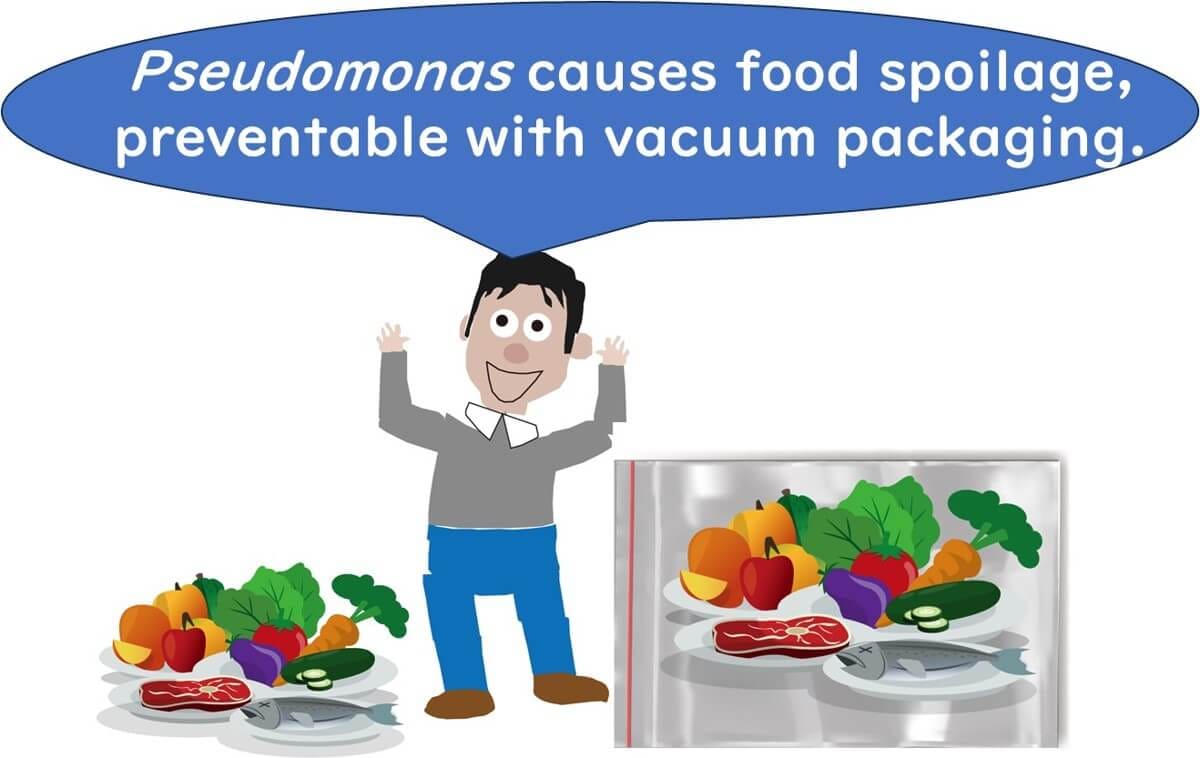
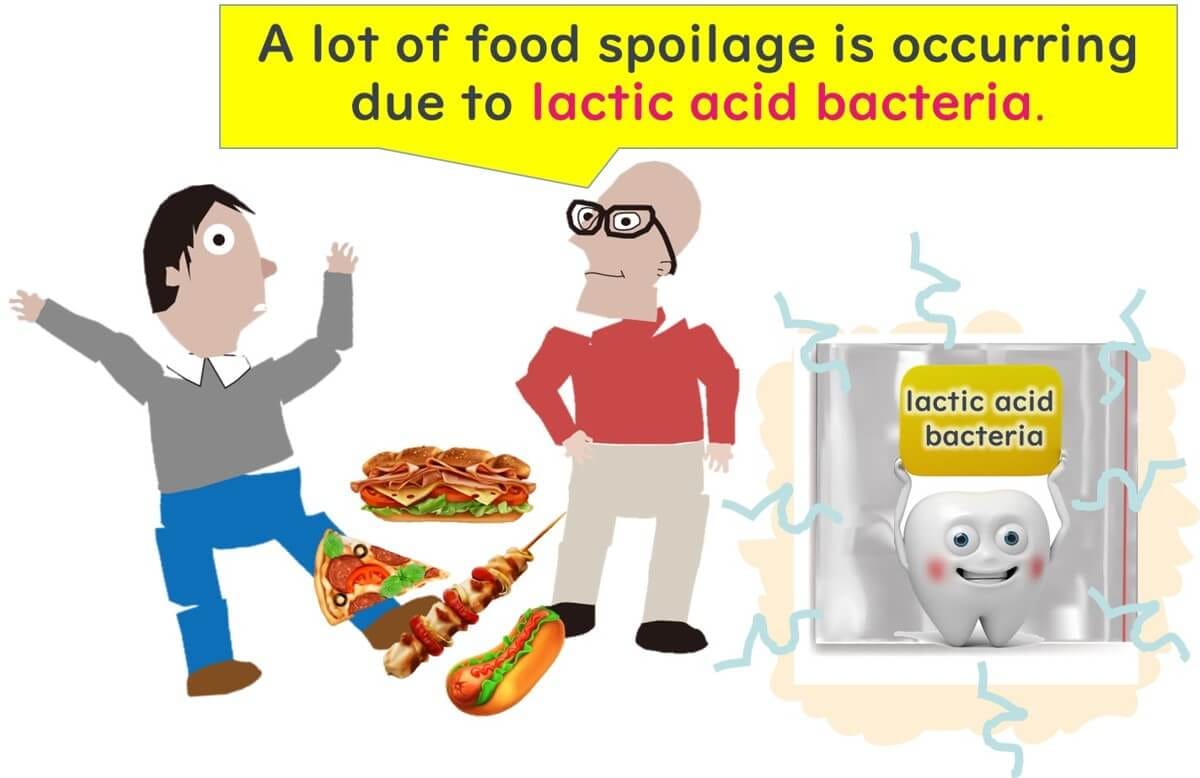
Today, vacuum-sealed, preservative-laden, and low-temperature-distributed products dominate the market. In such conditions, lactic acid bacteria thrive, outcompeting Pseudomonas. These bacteria, often associated with beneficial foods like yogurt, can also become spoilage agents.
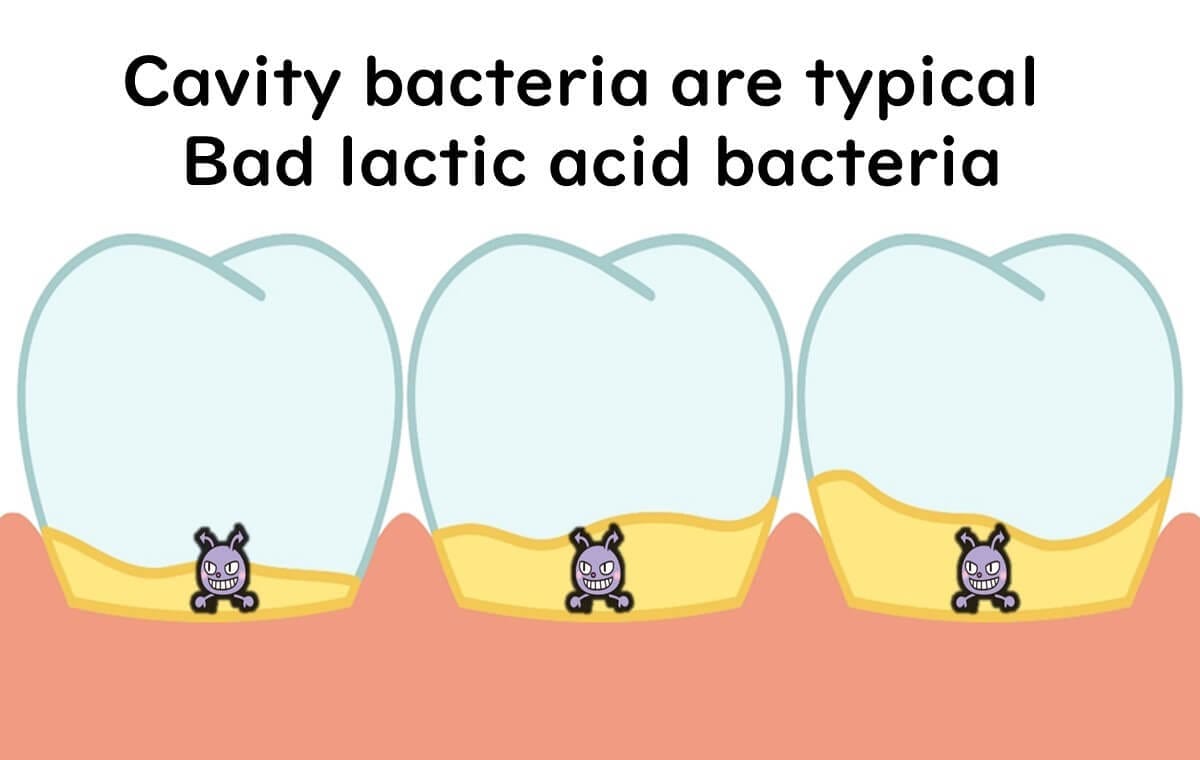
A classic example of their dual nature is Streptococcus mutans, a lactic acid bacterium responsible for cavities. It forms dental plaques by producing polysaccharides from sucrose and secretes lactic acid, which erodes enamel and leads to tooth decay. Similarly, in food, these bacteria can acidify their environment, making them resilient and challenging to control in modern packaged products.
Real-World Examples of Lactic Acid Bacteria in Food Spoilage
Lactic acid bacteria are not just beneficial for fermentation; they are also significant contributors to food spoilage in modern distribution systems. This section highlights real-world examples of how these bacteria dominate spoilage in various foods, particularly under vacuum-sealed or chilled conditions.
Vacuum-Sealed Ham
When ham is vacuum-sealed, lactic acid bacteria become the predominant spoilage organisms. The chart below illustrates the changes in total bacterial count and lactic acid bacteria count during chilled storage. Both counts follow a nearly identical trend, indicating that lactic acid bacteria are responsible for most spoilage in vacuum-sealed ham.
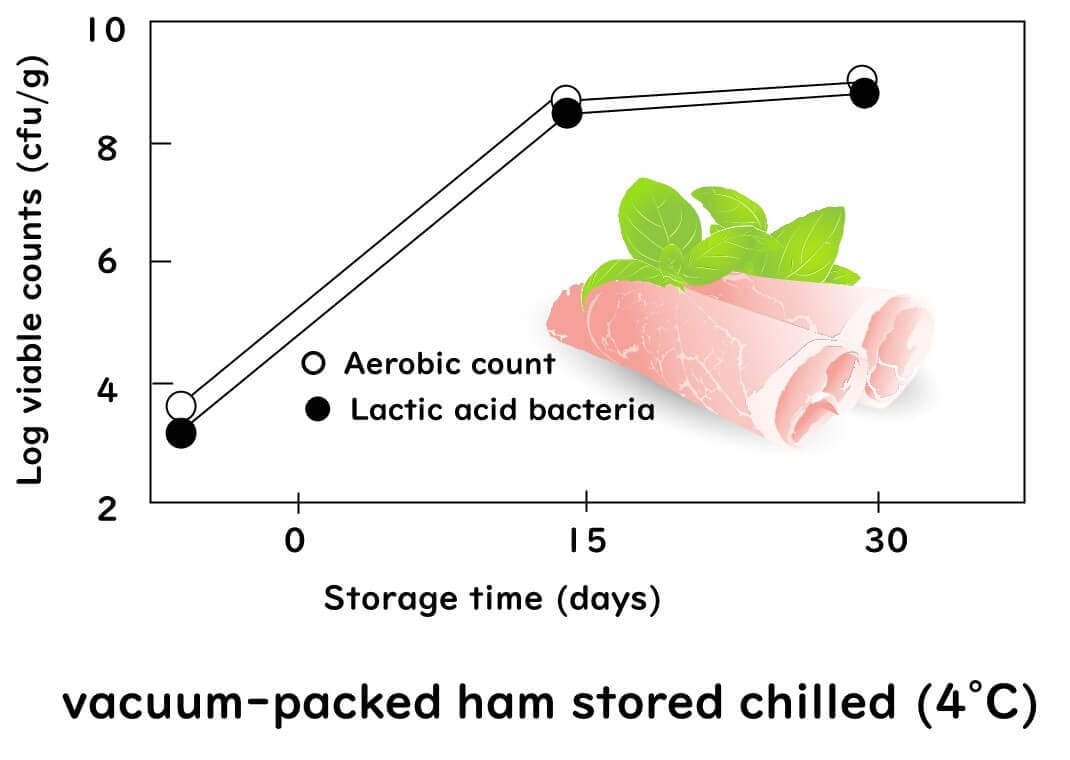
The graph you see above is derived from data extracted from the following research paper, which I've summarized in this graph.
Chilled Bacon Distribution
Similarly, in bacon undergoing chilled distribution, the total bacterial count and lactic acid bacteria count mirror each other closely. This data underscores that lactic acid bacteria are the primary culprits in bacon spoilage under these conditions.
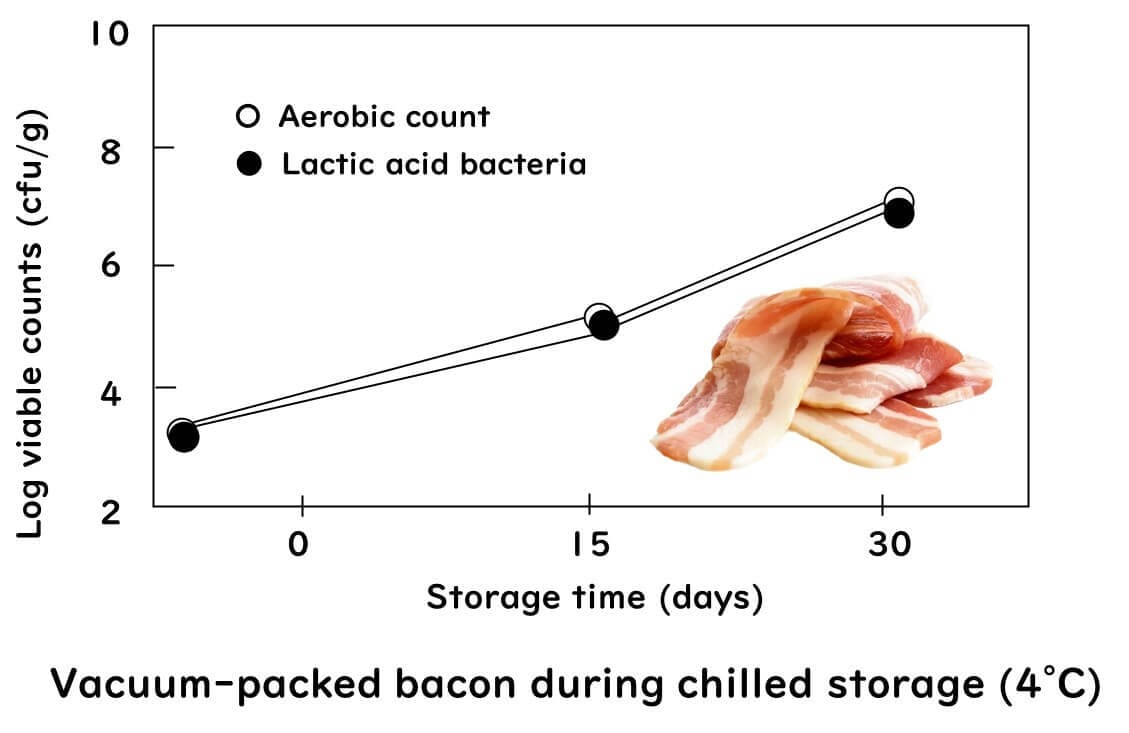
The graph you see above is derived from data extracted from the following research paper, which I've summarized in this graph.
Smoked Salmon
Seafood, such as smoked salmon, is also susceptible to spoilage by lactic acid bacteria. The chart below shows how the total bacterial count and lactic acid bacteria count follow similar patterns during chilled storage. This demonstrates that lactic acid bacteria dominate the spoilage flora in smoked salmon, even in salt- and smoke-preserved conditions.
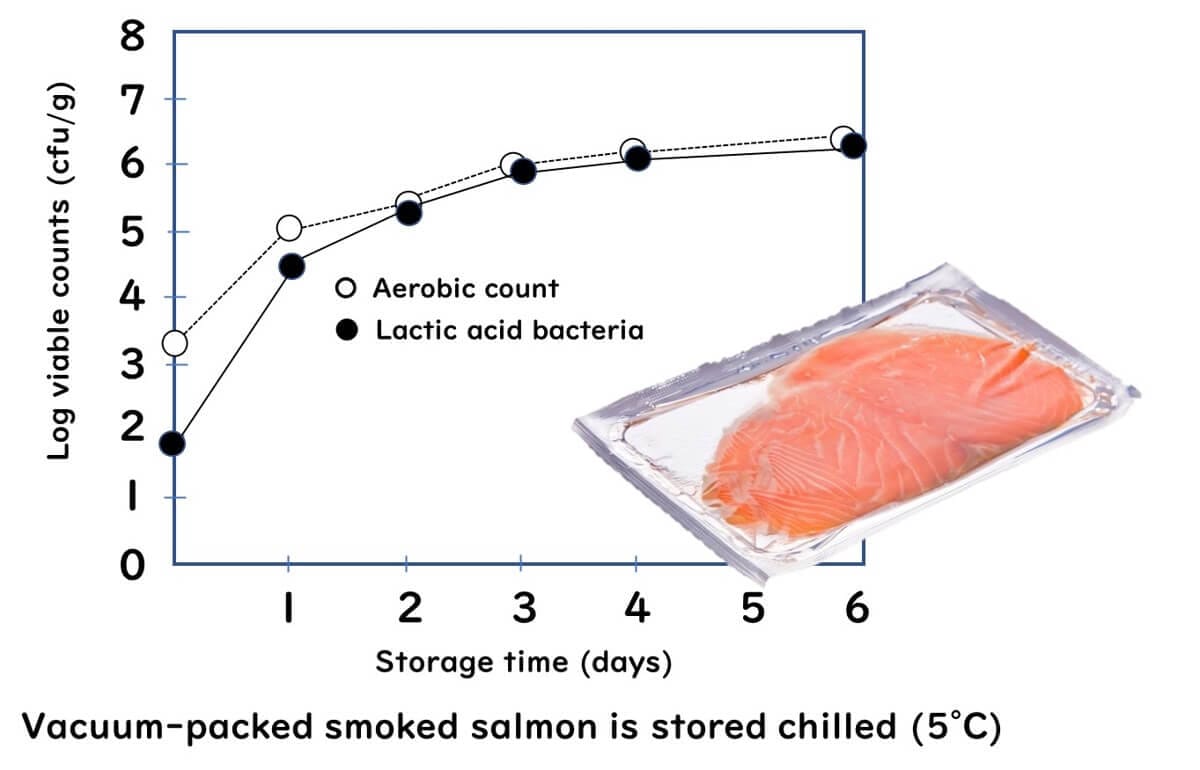
The graph you see above is derived from data extracted from the following research paper, which I've summarized in this graph.
Leroi et al.
Effect of Salt and Smoke on the Microbiological Quality of Cold-Smoked Salmon during Storage at 58C as Estimated by the Factorial Design Method.
Journal of Food Protection, Vol. 63, No. 4, 2000, Pages 502–508
Pickled Herring
Even in pickled seafood like herring, lactic acid bacteria play a major role in spoilage. The table below highlights changes in the total bacterial count and lactic acid bacteria count, which again closely align. This indicates that lactic acid bacteria are the dominant spoilage organisms in pickled herring.
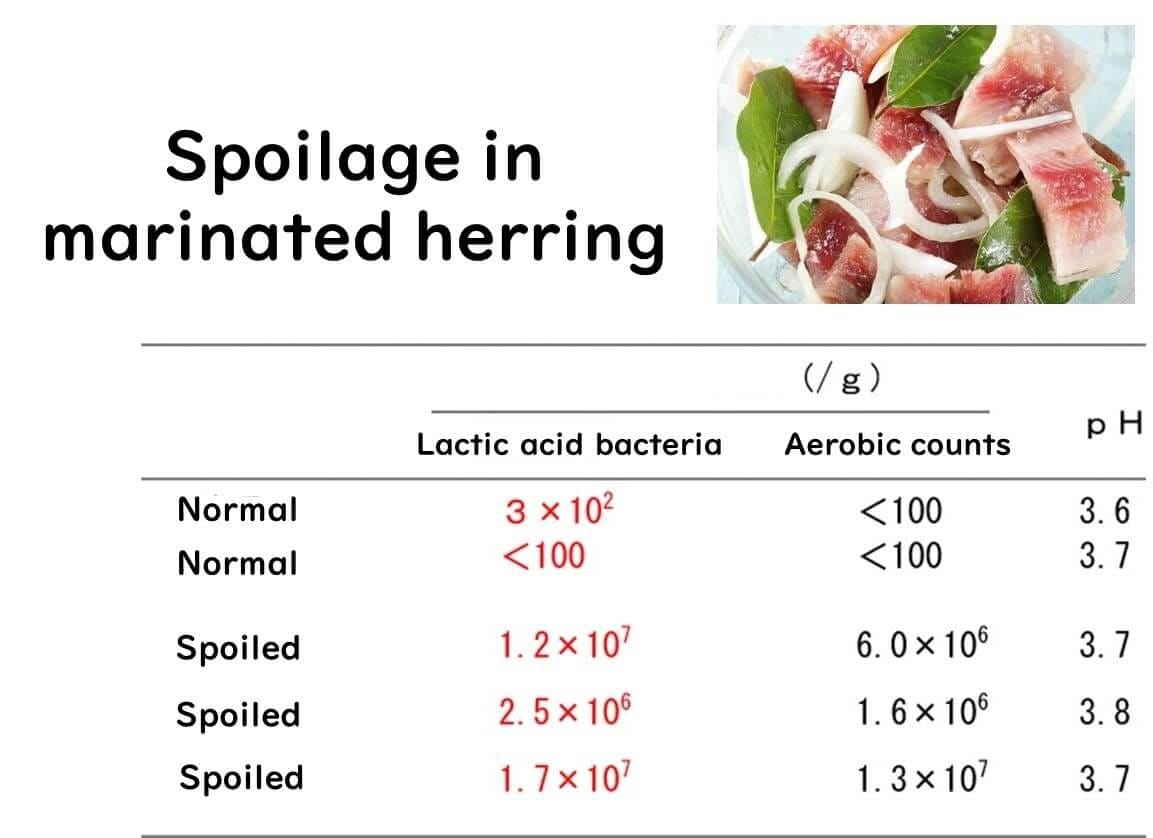
The table you see above is derived from data extracted from the following research paper, which I've summarized in this graph.
Lyhs et al.
Lactobacillus alimentarius: a specific spoilage organism in marinated herring.
International Journal of Food Microbiology 64 (2001) 355–360.
Why Does Seafood Spoil Due to Lactic Acid Bacteria?
While it's common knowledge that lactic acid bacteria spoil mammalian products like ham and bacon, their significant role in seafood spoilage might come as a surprise. Here’s why these bacteria often dominate seafood spoilage:
Contamination from Natural Water Sources
Lactic acid bacteria can enter seafood during its life cycle, originating from river waters or coastal seawaters. These environments often harbor bacteria that can later thrive on the seafood.
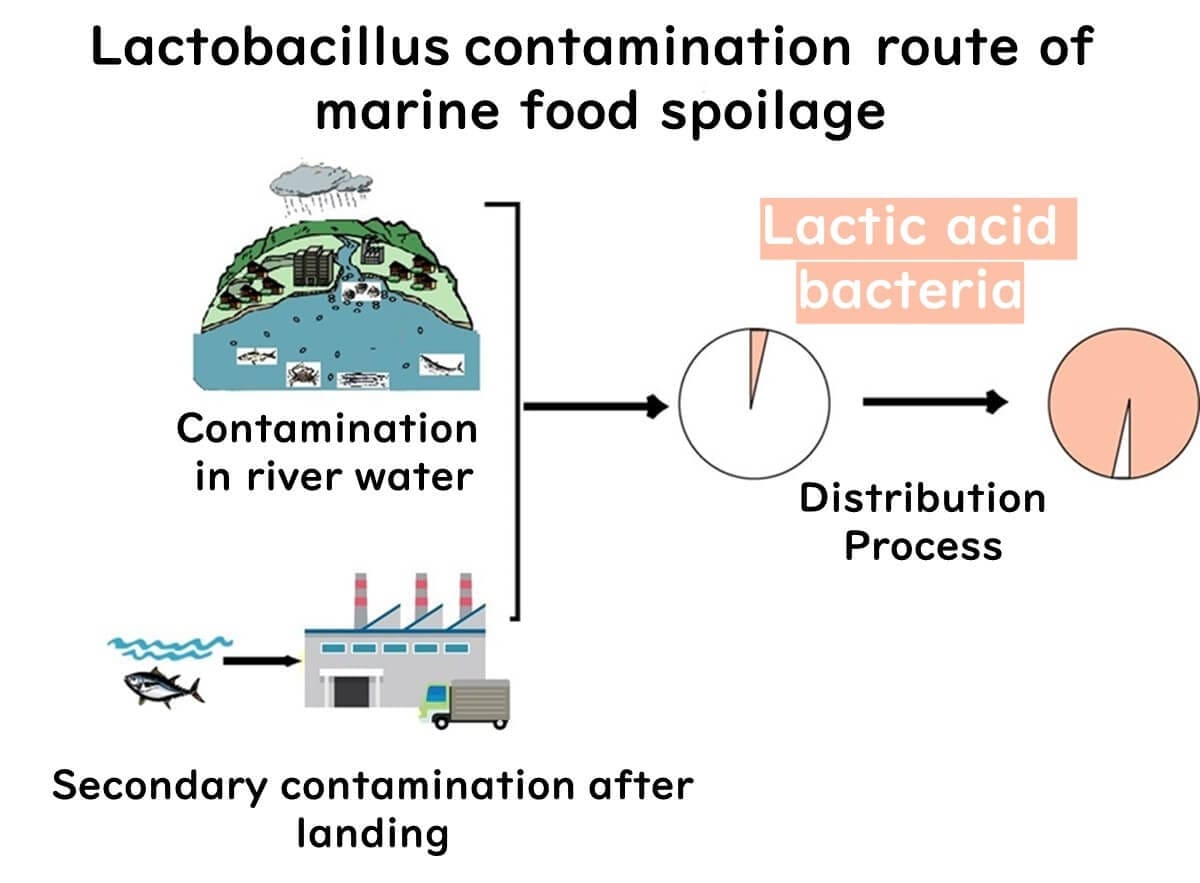
Secondary Contamination During Processing
After seafood is caught, lactic acid bacteria can contaminate it through factory environments during handling, processing, or packaging. Even minimal contamination can give these bacteria a competitive edge, allowing them to dominate as spoilage organisms.
The Dual Role of Lactic Acid Bacteria
Lactic acid bacteria are vital for producing beloved fermented foods like yogurt and cheese. However, their resilience and adaptability also make them significant spoilage agents, particularly in the context of modern chilled food distribution.
So, whether you’re savoring a bowl of yogurt or noticing spoilage in seafood, these bacteria are playing their complex roles behind the scenes!
Why Lactic Acid Bacteria Are a Leading Cause of Food Spoilage
Understanding the resilience and adaptability of lactic acid bacteria is key to grasping why they are so challenging to control in modern food distribution systems. Below are four critical factors that make them persistent culprits in food spoilage:
Resilience in Dry Environments
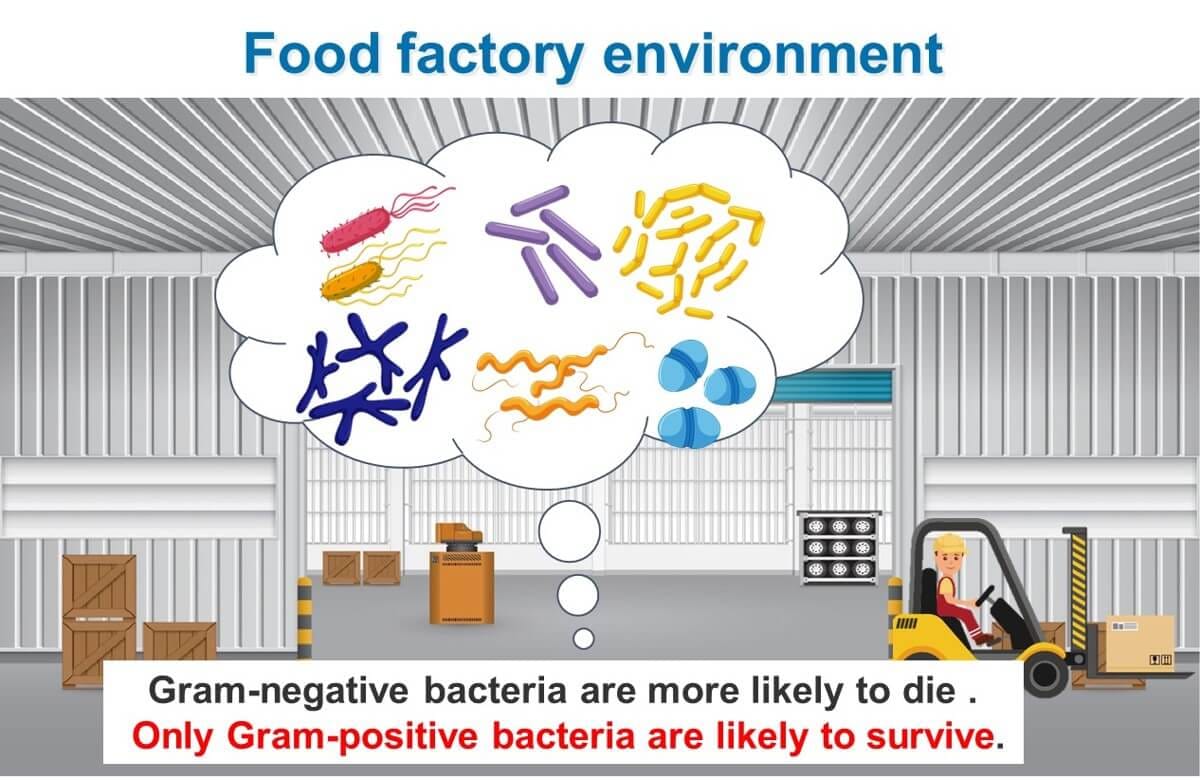
Lactic acid bacteria belong to the Gram-positive group, which allows them to thrive in dry conditions where Gram-negative bacteria, such as Pseudomonas, struggle to survive. In factory environments, even minimal contamination can enable these bacteria to persist for long durations, potentially leading to secondary contamination. Additionally, lactic acid bacteria can grow in low-water-activity foods like those preserved with salt or sugar, making them a greater spoilage threat.
Acid Production and Adaptability
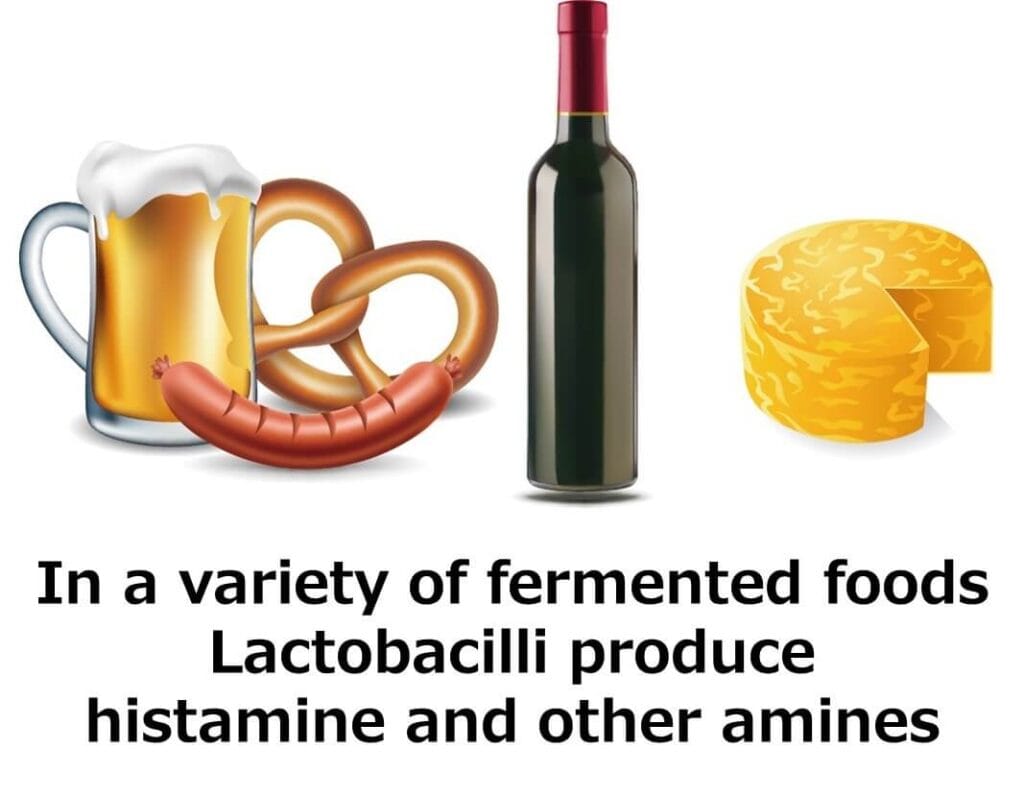
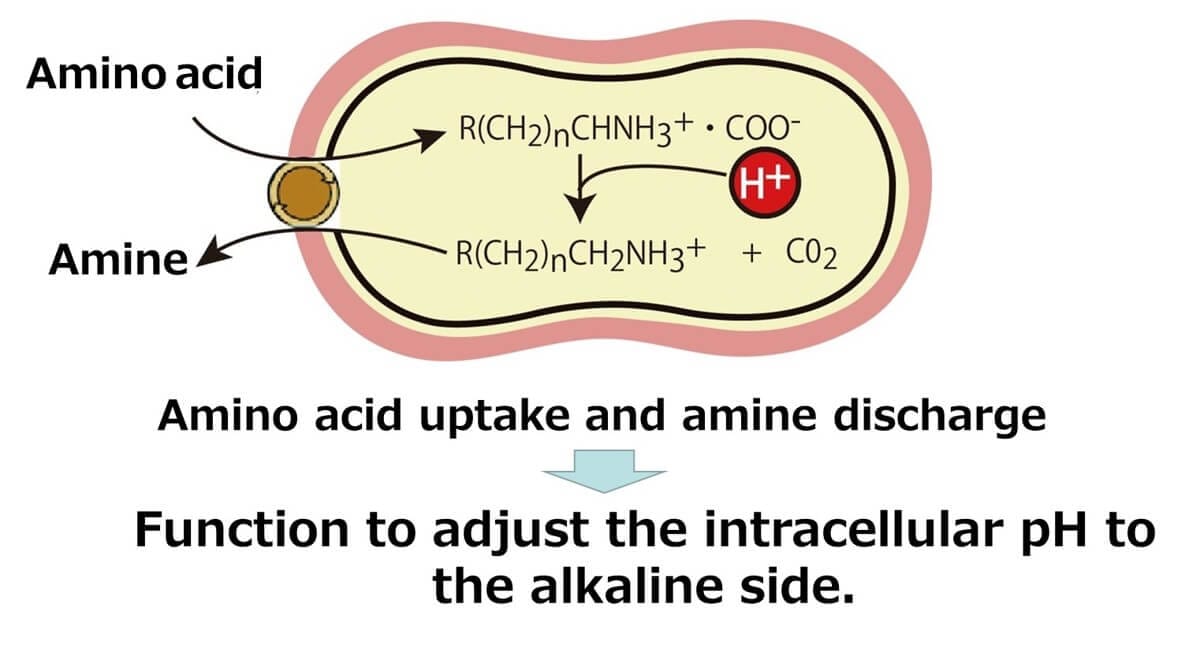
These bacteria acidify their surroundings by producing lactic acid. While acidic conditions might seem hostile, lactic acid bacteria have developed defense mechanisms to counteract this challenge. For instance, they decarboxylate amino acids to produce amines, such as histamine from histidine, which helps stabilize their internal pH. This process, common in foods like cheese and fermented sausages, allows them to thrive even in acidic environments.
Preservatives like sorbic acid and sodium acetate, often used in food preservation, are less effective against lactic acid bacteria. These bacteria efficiently expel excess hydrogen ions, neutralizing the inhibitory effects of organic acid-based preservatives.
Resistance to Vacuum and Gas Packaging
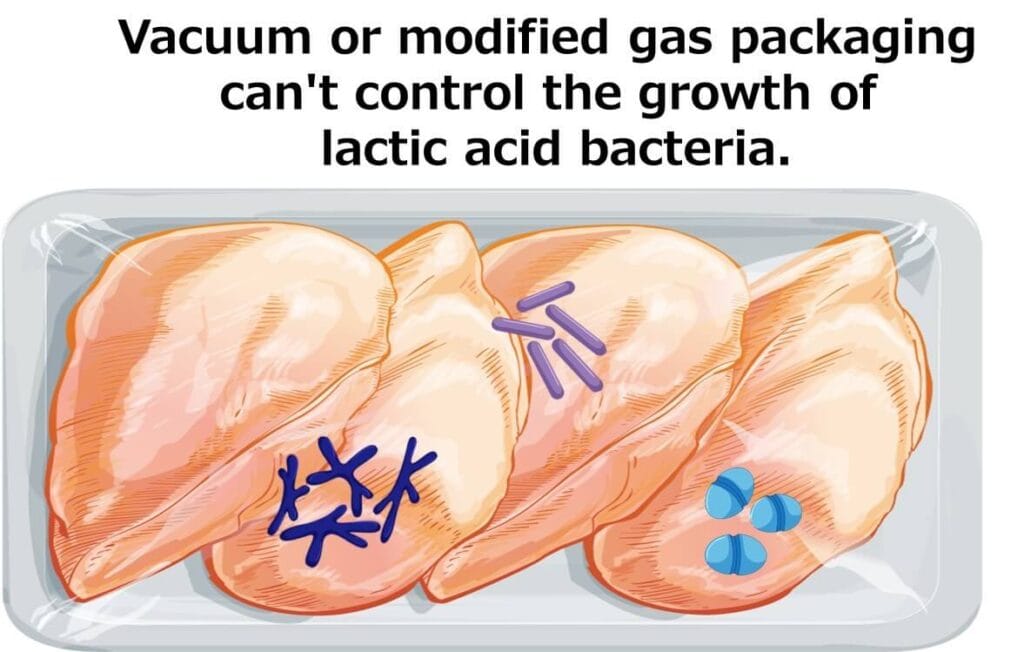
While vacuum and gas packaging effectively limit aerobic bacteria, lactic acid bacteria are unaffected. These anaerobic bacteria can grow even in carbon dioxide-rich environments, a common packaging choice for processed meats like sausages and ham. Their resilience to such conditions makes them a persistent challenge in the food industry.
Growth at Low Temperatures
Many lactic acid bacteria are psychrotrophic, meaning they can grow at low temperatures where other bacteria, such as Staphylococcus aureus, cannot. In vacuum- or gas-packed products stored in chilled conditions, lactic acid bacteria dominate the spoilage flora, thriving at temperatures below 10°C.
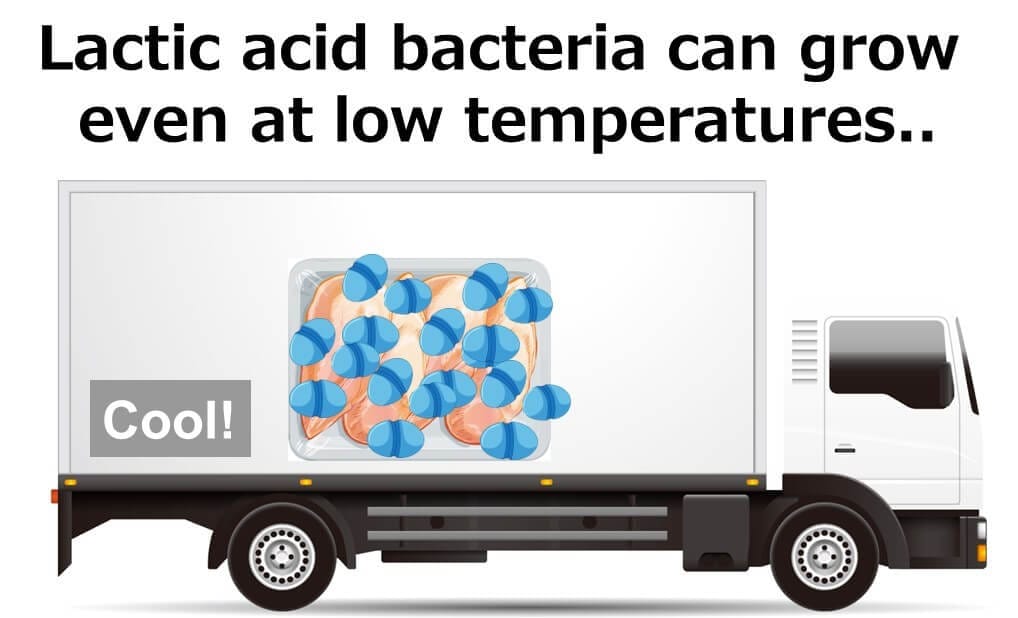
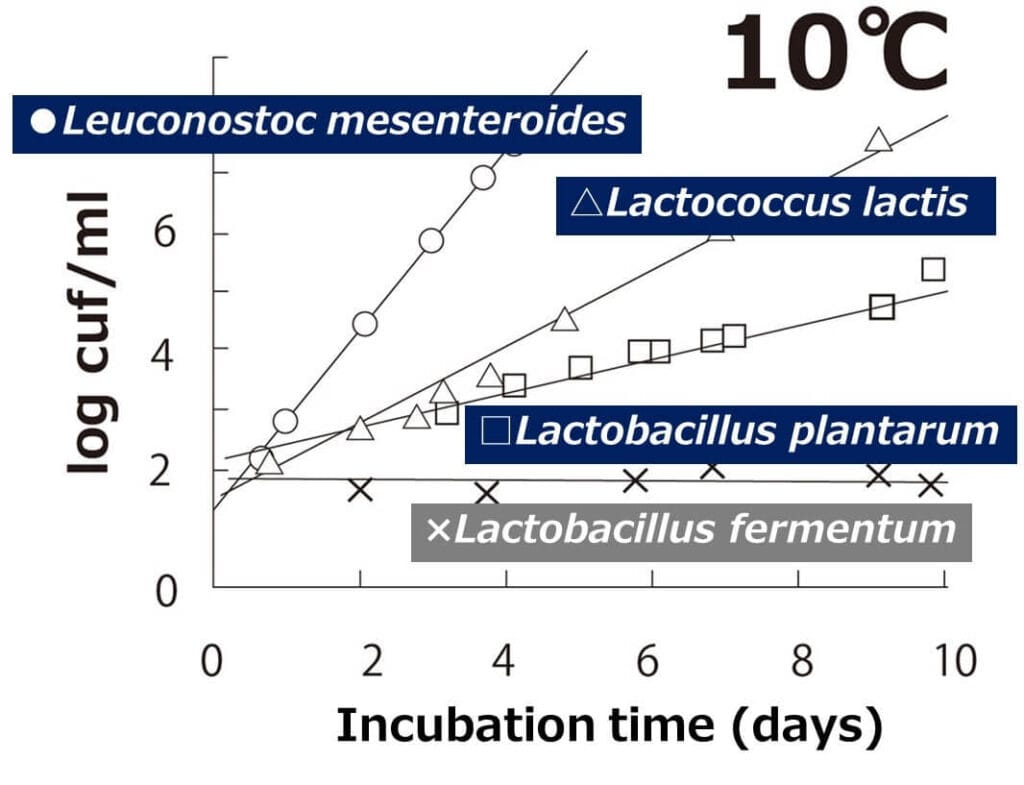
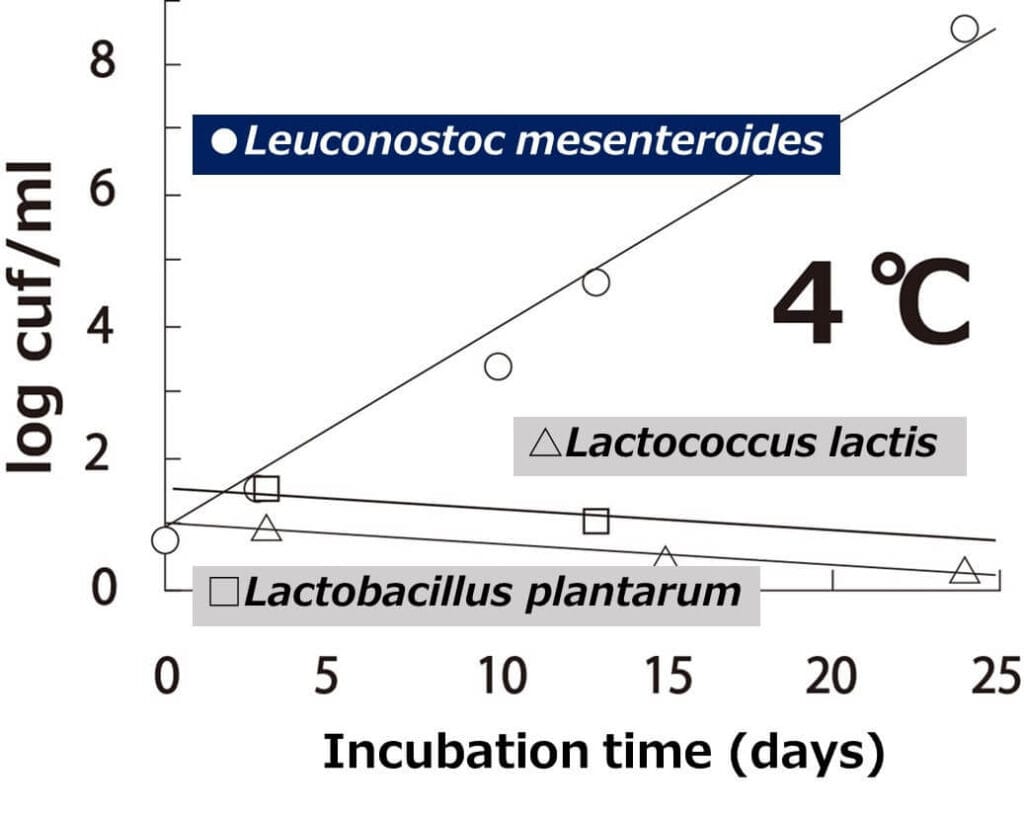
The graph you see above is derived from data extracted from the following research paper, which I've summarized in this graph.
Hamasaki, Y. et al.,
Behavior of psychrotrophic lactic acid bacteria isolated from spoiling cooked meat products. Appl.Environ.Microbiiol., 69, 3668-3671(2003).
Lactic Acid Bacteria: A Friend and Foe
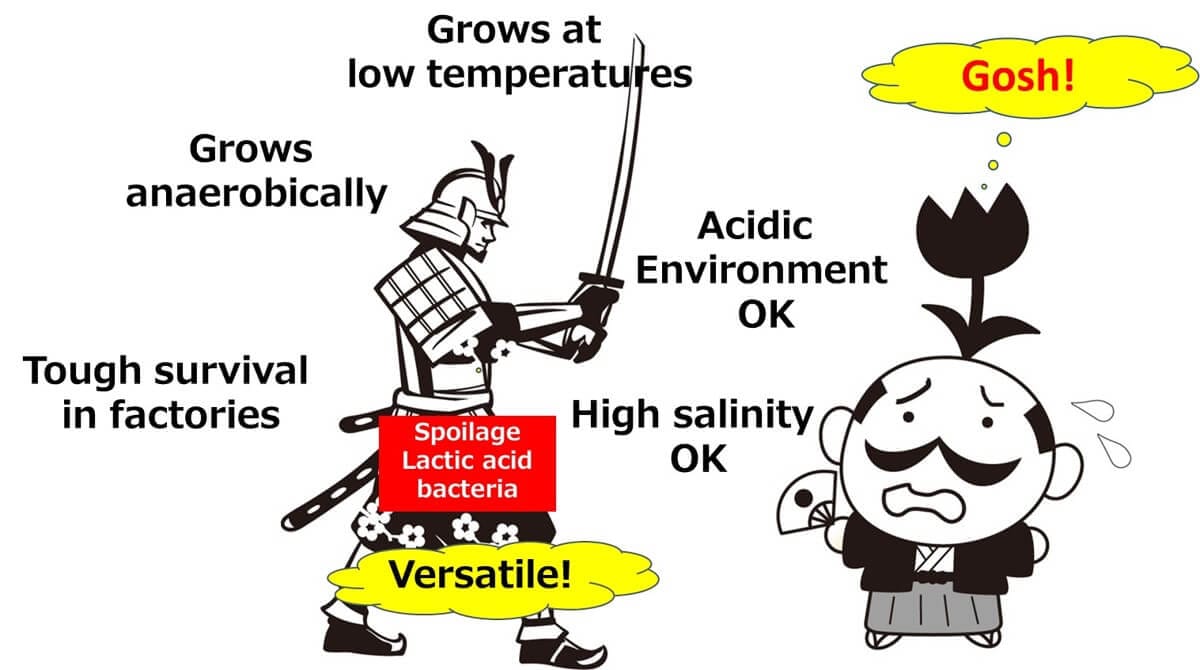
Lactic acid bacteria are remarkable organisms, showcasing resilience across a wide range of conditions. This resilience has made them indispensable in the production of fermented foods such as yogurt, cheese, and pickles, as well as in the development of probiotics. Their ability to withstand environmental stresses is a key reason fermented foods have been part of human history for centuries.
However, this same resilience can make them formidable opponents in the context of food spoilage. When they shift from their beneficial role to causing spoilage, they present significant challenges for food manufacturers and quality control professionals.
Closing Thoughts
Controlling the growth of spoilage-causing lactic acid bacteria remains a complex issue for the food industry. While many professionals seek effective preservatives, as discussed, these bacteria's adaptability and resistance make them particularly difficult to manage. Striking a balance between leveraging their beneficial qualities and mitigating their spoilage potential is critical for maintaining food safety and quality in modern production systems.
Related posts:
Using the Catalase Test to Identify Lactic Acid Bacteria among Gram-Positive Microorganisms Hello everyone! In this article, we’ll uncover a fascinating aspect...
The Unique Metabolic Characteristics of Lactic Acid Bacteria Welcome to our in-depth exploration of the unique metabolic traits...
Overflow Metabolism and the Unique Adaptations of Lactic Acid Bacteria In this article, we’ll explore the fascinating phenomenon of overflow...
Homo- and Heterofermentative Lactic Acid Bacteria When it comes to lactic acid bacteria, we can divide...
Categories

Discover expert-led lessons in food microbiology designed for professionals and beginners alike.

Author of this Blog: Bon Kimura
Bon Kimura, Professor Emeritus at Tokyo University of Marine Science and Technology (TUMSAT), specializes in food microbiology. He obtained his PhD from Kyoto University and became a professor at TUMSAT in 2006, serving as Dean of the Faculty of Marine Science from 2012-2015. Kimura has published over 200 international papers on food safety, pathogens, and spoilage bacteria. He has received multiple awards, including the Japanese Society for Food Microbiology Award (2019). Kimura also served as an editor for the International Journal of Food Microbiology from 2012 to 2024, where he was the principal reviewer for 1,927 papers.

Copyright © Introduction to Food Microbiology and Safety All Rights Reserved.