Introduction to Food Microbiology and Safety
Microorganisms and Humanity: A Brief Encounter in Earth's 4-Billion-Year History
When studying food microbiology, it’s easy to focus solely on pathogenic microorganisms and their impact on humans. However, this perspective misses the bigger picture. In this article, we’ll explore humanity’s place in Earth’s 4-billion-year microbial history and challenge the human-centric view of microorganisms.
Introduction
When it comes to food microbiology, we often view pathogenic microorganisms as adversaries to humans. However, this perspective is limited and overlooks the broader context of Earth's history. This article provides a new perspective by examining the relationship between microorganisms and humans through the lens of Earth's 4-billion-year timeline.
Microorganisms: Earth's Earliest Inhabitants
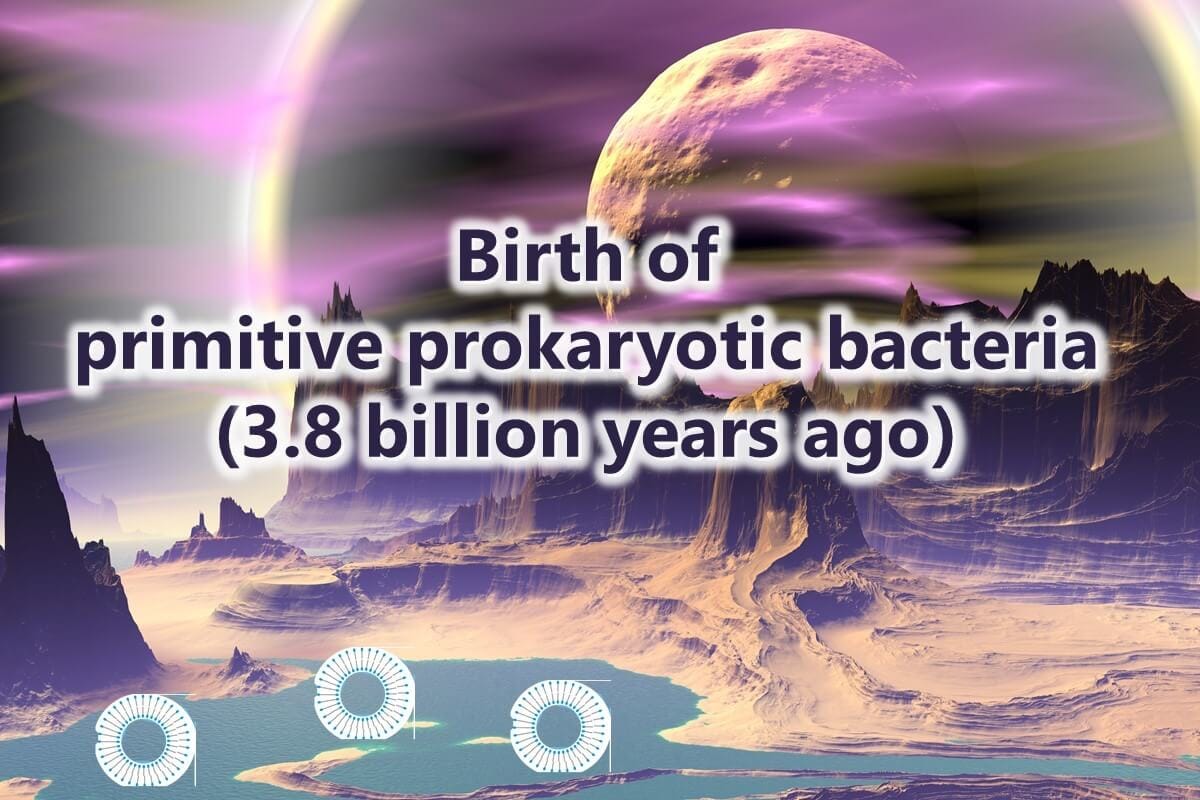
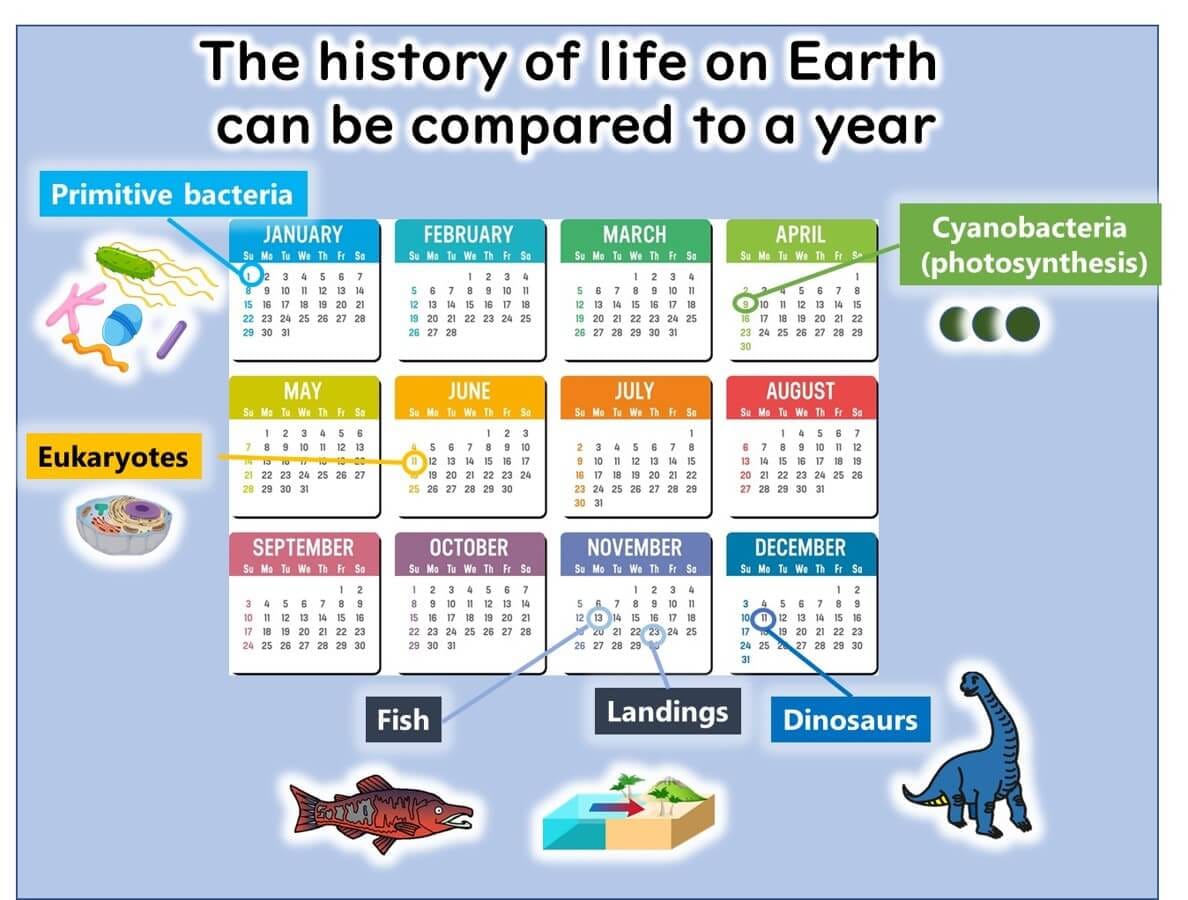
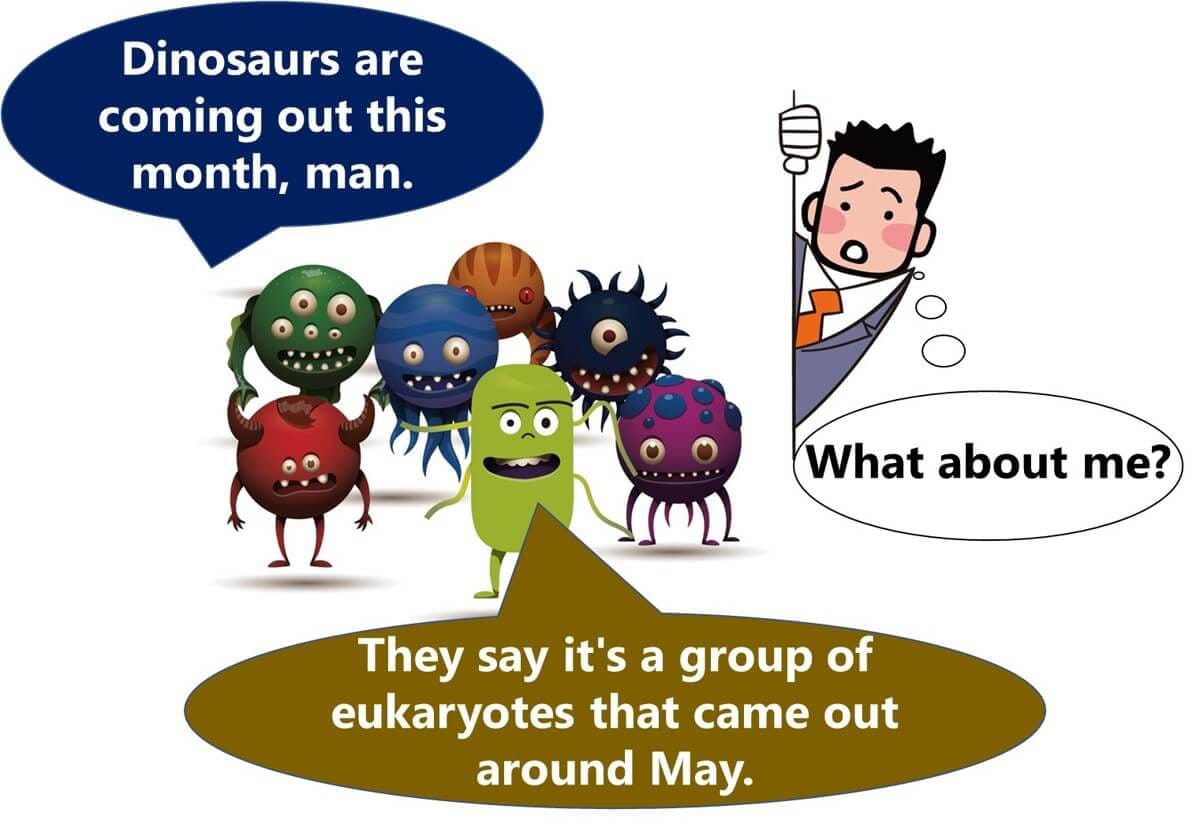
Imagine Earth’s history as a single year. Life first emerged 3.8 billion years ago, on what would be January 1st. Photosynthetic cyanobacteria, which played a key role in oxygenating the atmosphere, appeared in April. Eukaryotes, the ancestors of all complex life, emerged in June. By November, fish populated the oceans, and life began to flourish on land.
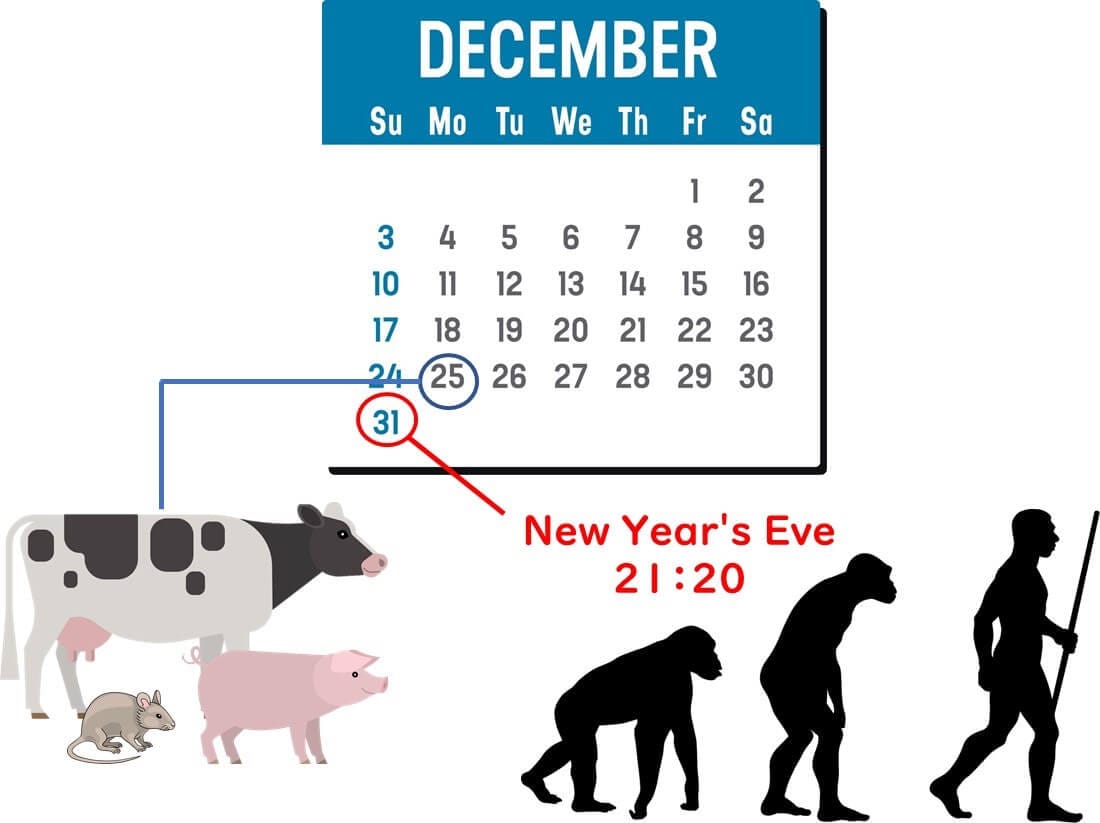
The reign of dinosaurs began around December 10th, dominating the Earth for millions of years. Fast forward to December 25th at midnight, and we see the emergence of the ancestors of today’s cows and pigs.
Humanity, however, only appeared a mere million years ago—equivalent to 9 pm on New Year’s Eve.
A Microbial Perspective
To understand this timeline from a microbial perspective, think of microorganisms as high school seniors. These microbes have been thriving for billions of years, while humans—recent "freshmen"—only entered the school at 9 pm on the last day of the year. From the microbes’ point of view, our existence is barely noticeable, akin to a fleeting moment in time.

In terms of microbial history, a single century is just one second. The 20th century, with all its advancements in microbiology and food safety, represents a mere 20 seconds in the countdown to the New Year.
Reconsidering the Human-Centric View
Humans often perceive microorganisms as competitors or threats, but this view ignores the vast timescale during which microbes have shaped the Earth’s ecosystems. By broadening our perspective, we can appreciate that microorganisms are not “targeting” humans—they are simply continuing their ancient existence, adapting as necessary.
Conclusion
Understanding the history of life on Earth reminds us that our human-centric perspective in microbiology is both biased and limited. Microorganisms have existed for billions of years, contributing to Earth's ecosystems in ways we are only beginning to understand. Recognizing this broader context can help us better appreciate the role of microbes in our world and rethink how we approach food microbiology.
Related posts:
E. coli O157: Why Only Humans Suffer Foodborne Illness While Cattle Remain Unharmed? (3) As a university professor specialising in food microbiology, I often...
Gram Staining and Microbial Properties: A Comprehensive Overview (3) Understanding the fundamental differences between Gram-positive and Gram-negative bacteria is...
Homo- and Heterofermentative Lactic Acid Bacteria (3) When it comes to lactic acid bacteria, we can divide...
A Comprehensive Guide to Gram-Negative and Gram-Positive Bacteria: Key Differences and Environmental Adaptations (3) Understanding the unique characteristics of Gram-negative and Gram-positive bacteria is...
Discover expert-led lessons in food microbiology designed for professionals and beginners alike.

Author of this Blog: Bon Kimura
Bon Kimura, Professor Emeritus at Tokyo University of Marine Science and Technology (TUMSAT), specializes in food microbiology. He obtained his PhD from Kyoto University and became a professor at TUMSAT in 2006, serving as Dean of the Faculty of Marine Science from 2012-2015. Kimura has published over 200 international papers on food safety, pathogens, and spoilage bacteria. He has received multiple awards, including the Japanese Society for Food Microbiology Award (2019). Kimura also served as an editor for the International Journal of Food Microbiology from 2012 to 2024, where he was the principal reviewer for 1,927 papers.
Copyright © Introduction to Food Microbiology and Safety All Rights Reserved.