Introduction to Food Microbiology and Safety
Infection-Type and Toxin-Type Foodborne Pathogens
Foodborne pathogens are a significant concern for public health, particularly in the food industry. These pathogens can be classified into two main categories: toxigenic and infectious. Understanding their differences is crucial for effective prevention and control measures. Toxigenic pathogens, often associated with Gram-positive bacteria, produce harmful toxins that cause illness when consumed. In contrast, infectious pathogens, typically Gram-negative, invade the human body and cause symptoms through direct interaction with the intestinal system. This article explores the distinctions between these two types of pathogens, their mechanisms, and their implications for food safety.
The difference between Gram-positive and Gram-negative bacteria is also relevant in terms of foodborne pathogens. Foodborne pathogens can be divided into two types: toxigenic bacteria and infectious foodborne pathogens. Toxigenic bacteria cause illness through toxins they produce, which accumulate in the food and induce illness when consumed. In contrast, infectious foodborne pathogens harm humans directly. These bacteria invade the human body through the mouth, stomach, and intestines, attempting to penetrate the intestinal epithelial cells, which may lead to symptoms such as fever and diarrhea.
Toxigenic Pathogens: Mechanisms and Symptoms
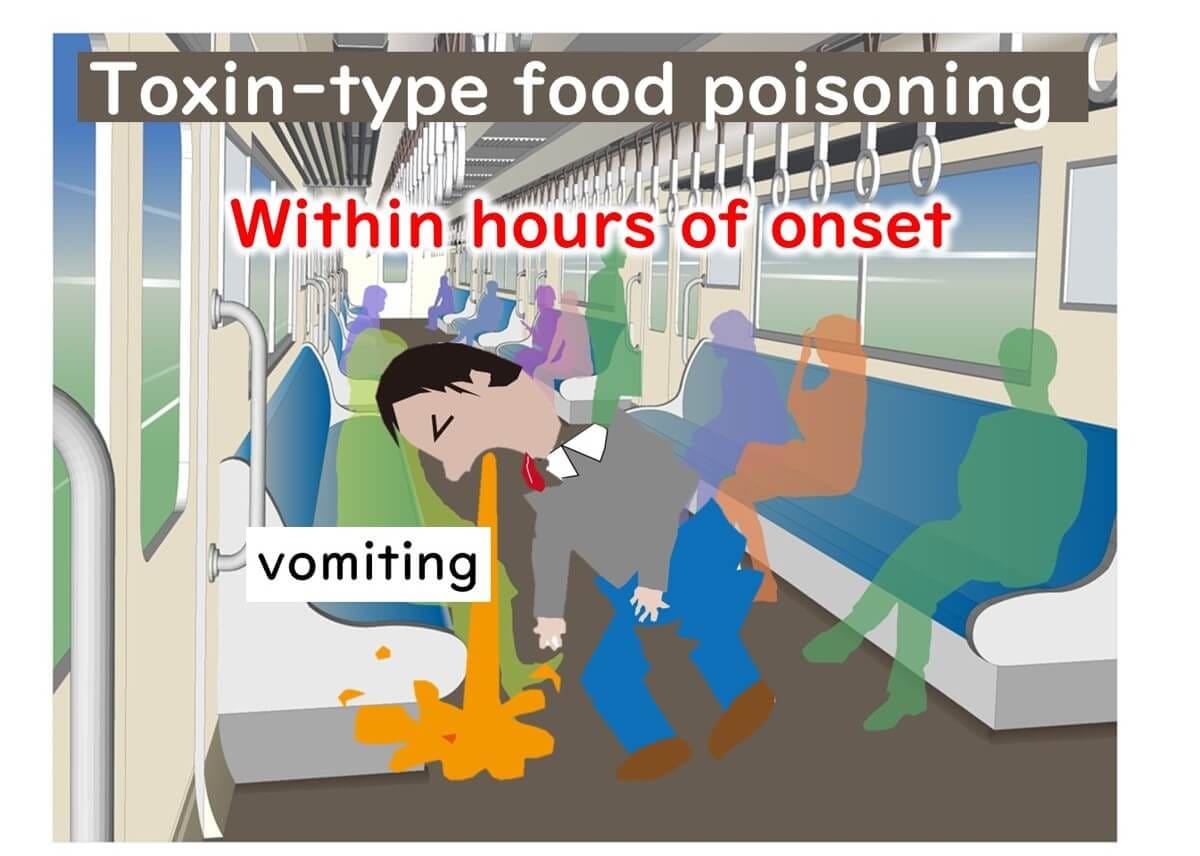
Toxigenic bacteria cause illness by producing toxins that accumulate in food. When consumed, these toxins induce symptoms, typically within several hours to a day. Common symptoms include nausea and vomiting, as seen in cases of Staphylococcus aureus enterotoxin contamination.
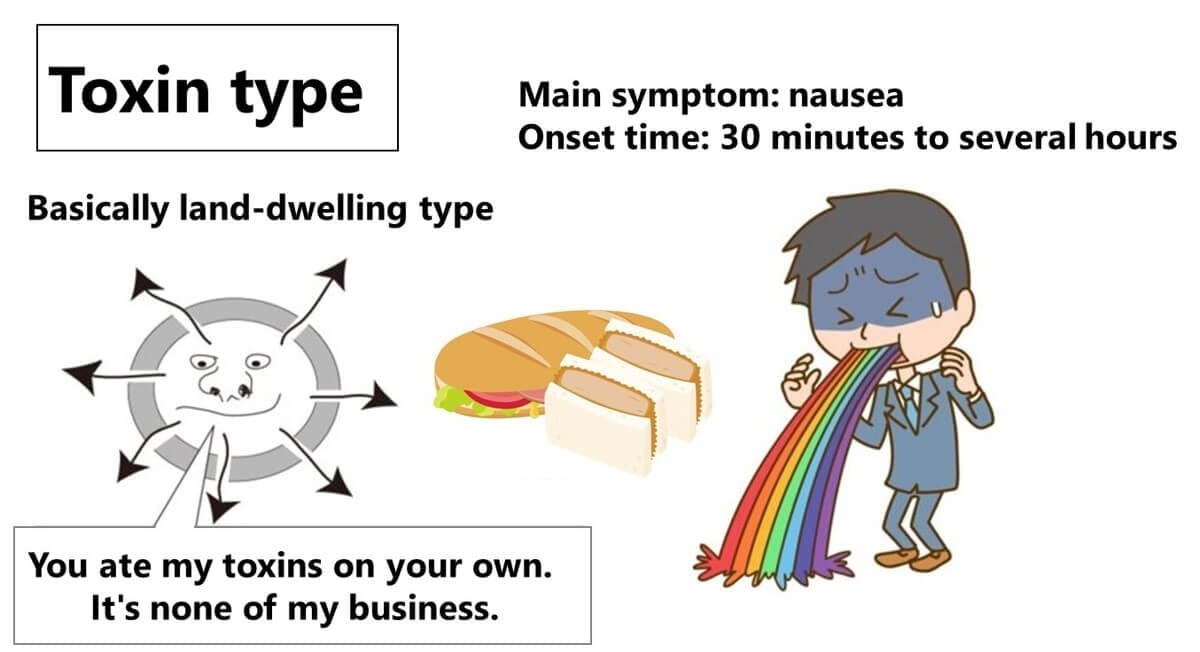
Example: After consuming food contaminated with S. aureus toxins at a restaurant, you might feel nauseous within three hours—a hallmark of toxigenic food poisoning.
Infectious Pathogens: Mechanisms and Symptoms
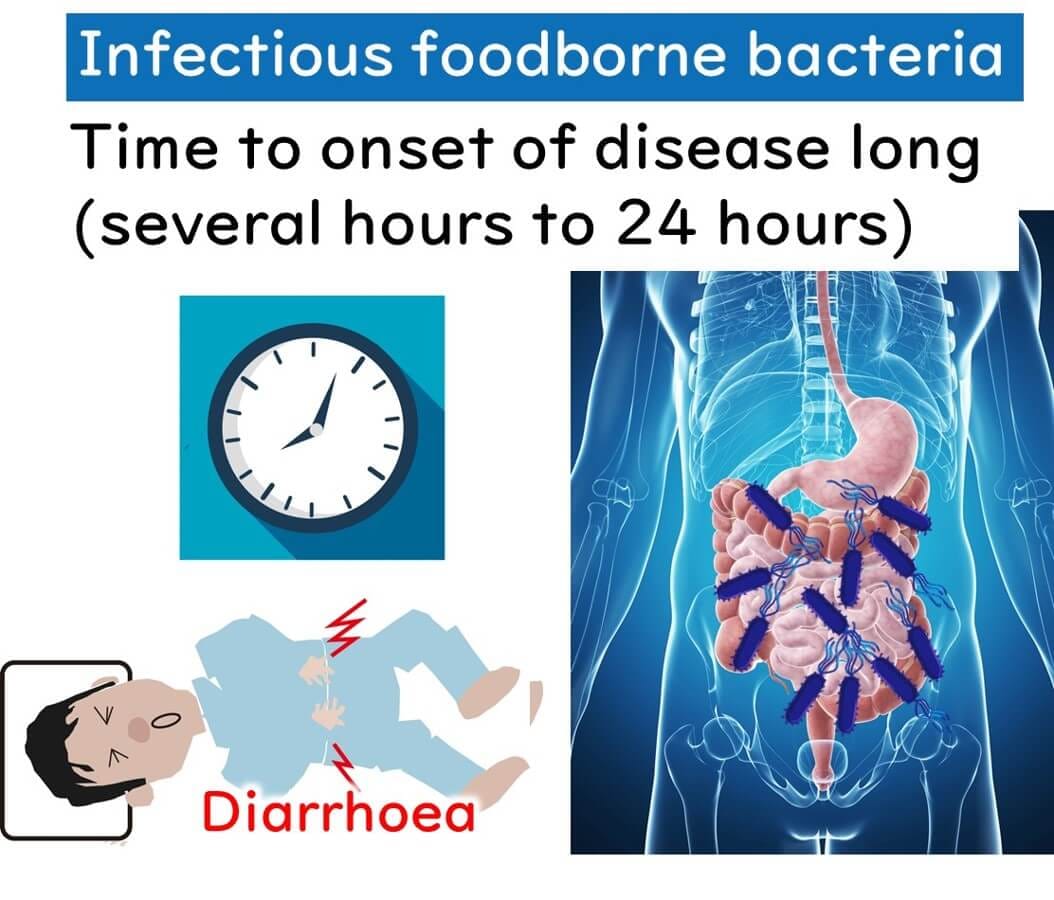
Infectious pathogens differ in that they harm humans directly by invading the body. These bacteria endure stomach acid, compete with intestinal microbiota, and attach to intestinal epithelial cells, causing harm. Symptoms, such as diarrhea and fever, often take 10–24 hours to appear. This delay results from the bacteria's need to overcome multiple barriers before affecting the host.
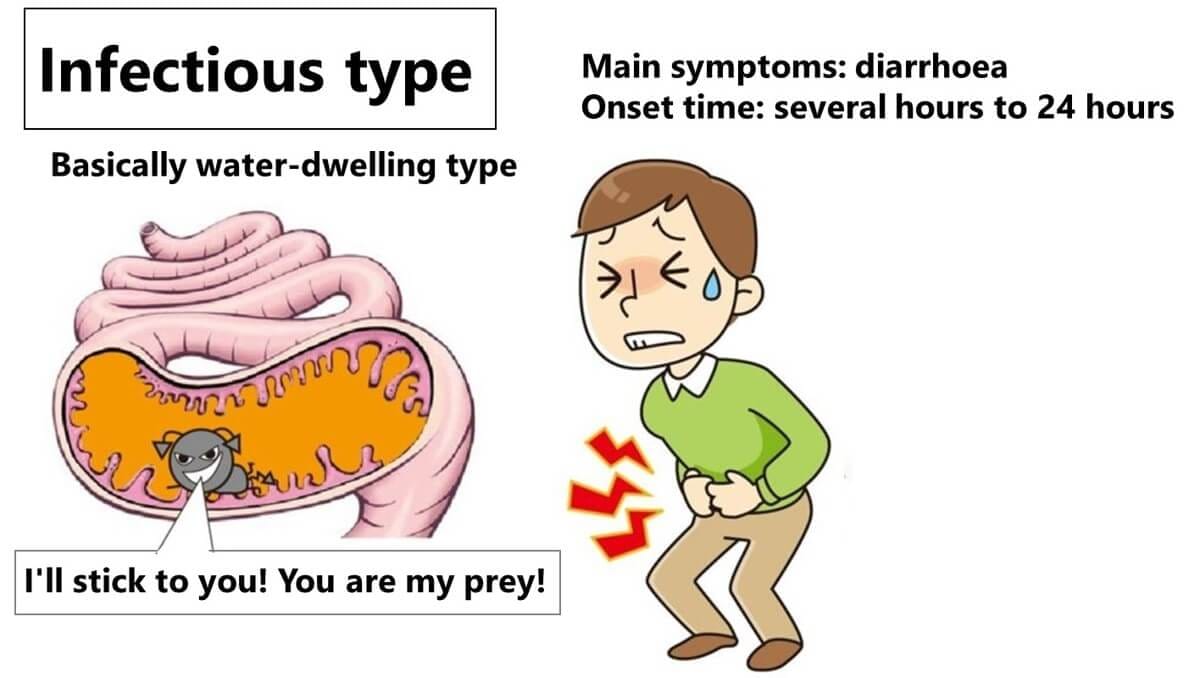
Example: If you consume food contaminated with infectious bacteria, you might feel fine immediately and even attend a karaoke session or an after-party. However, symptoms like diarrhea and fever might emerge the next morning, a characteristic feature of infectious foodborne illness.
The Role of Gram-Positive and Gram-Negative Bacteria in Foodborne Illness
Gram-positive bacteria, such as Staphylococcus aureus and Clostridium botulinum, are primarily toxigenic pathogens. These bacteria, adapted to terrestrial environments, have porous cell walls that facilitate toxin secretion.
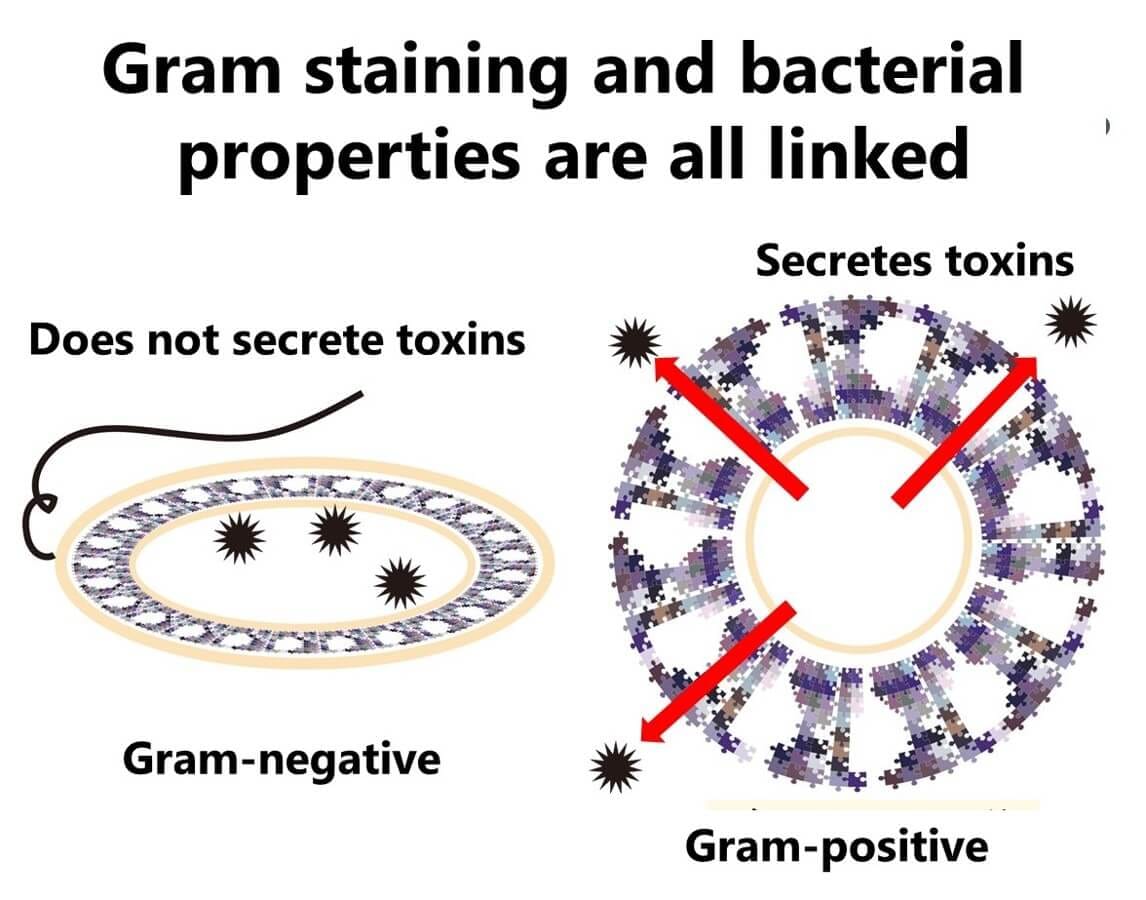
In contrast, Gram-negative bacteria, including Salmonella, Escherichia coli, and Vibrio cholerae, are typically infectious pathogens. Their robust outer membranes, rich in lipopolysaccharides, repel chemical agents and enable direct attachment to host cells.
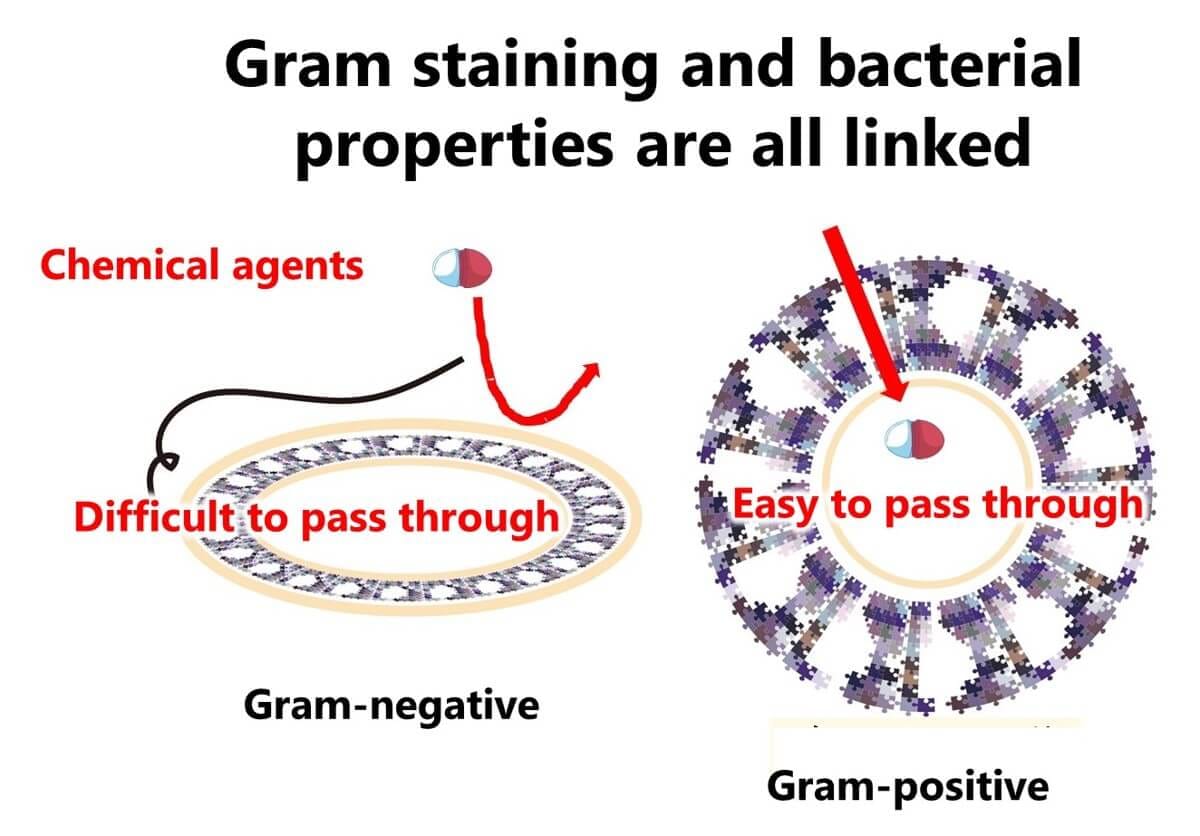
Key Point: These structural differences explain why Gram-positive bacteria tend to produce extracellular toxins, whereas Gram-negative bacteria rely on direct interactions with host cells.
Conclusion: Why Understanding These Differences Matters
Recognizing the differences between toxigenic and infectious foodborne pathogens is essential for developing targeted food safety strategies. By understanding the unique characteristics of Gram-positive and Gram-negative bacteria, food industry professionals can better predict symptom onset, identify risks, and implement effective controls.
Discover expert-led lessons in food microbiology designed for professionals and beginners alike.

Author of this Blog: Bon Kimura
Bon Kimura, Professor Emeritus at Tokyo University of Marine Science and Technology (TUMSAT), specializes in food microbiology. He obtained his PhD from Kyoto University and became a professor at TUMSAT in 2006, serving as Dean of the Faculty of Marine Science from 2012-2015. Kimura has published over 200 international papers on food safety, pathogens, and spoilage bacteria. He has received multiple awards, including the Japanese Society for Food Microbiology Award (2019). Kimura also served as an editor for the International Journal of Food Microbiology from 2012 to 2024, where he was the principal reviewer for 1,927 papers.
Copyright © Introduction to Food Microbiology and Safety All Rights Reserved.