Introduction to Food Microbiology and Safety
The Science of Handwashing: Removing Transient Bacteria vs. Managing Resident Flora
Daily handwashing effectively removes dirt and transient bacteria picked up from the environment. However, it cannot eliminate the resident bacteria that naturally live on our hands. For example, Staphylococcus aureus (staph), a common bacterium, often remains untouched and may even be brought to the surface during washing. This increases the risk of contaminating food. This article explores the microbiological principles behind handwashing, highlighting its limitations and the implications for food safety.
Understanding Transient and Resident Bacteria on Hands
Many people mistakenly believe that washing hands can completely eliminate all microbes from the palms. However, this is not the case.
There are two primary types of bacteria present on the palms:
Transient Bacteria
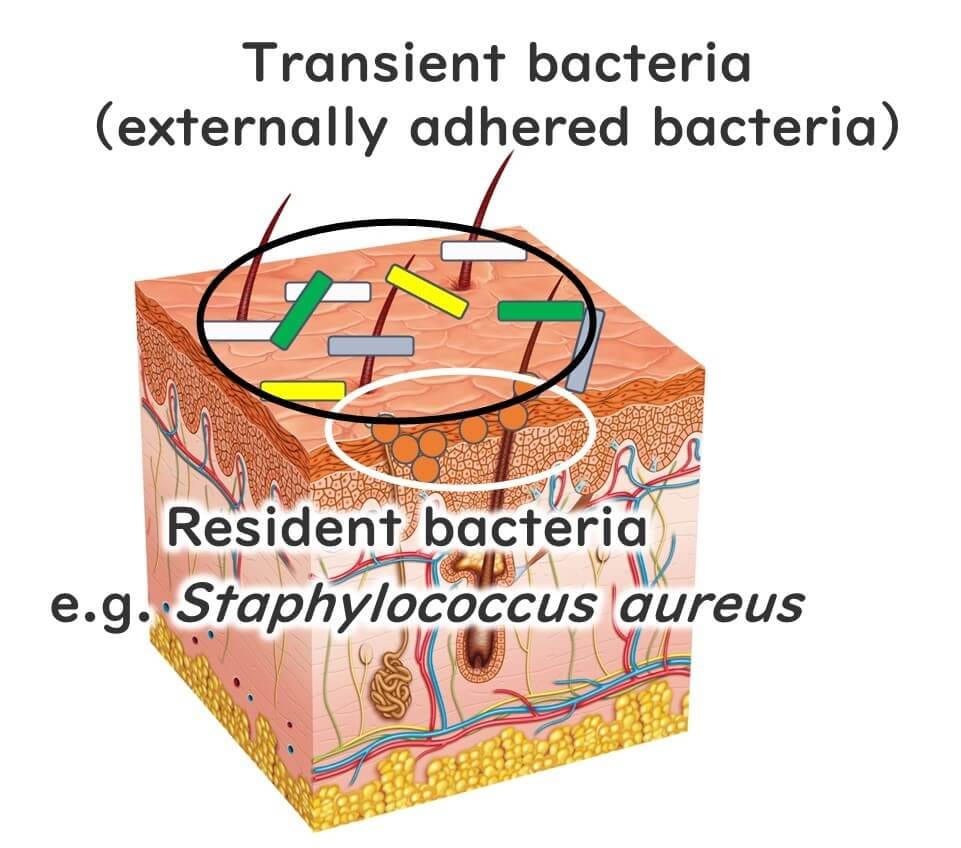
Transient bacteria are picked up from external sources, such as touching surfaces in public spaces or walking around the city. These bacteria may include harmful pathogens. Fortunately, they can be effectively removed through proper handwashing techniques.
Resident Bacteria
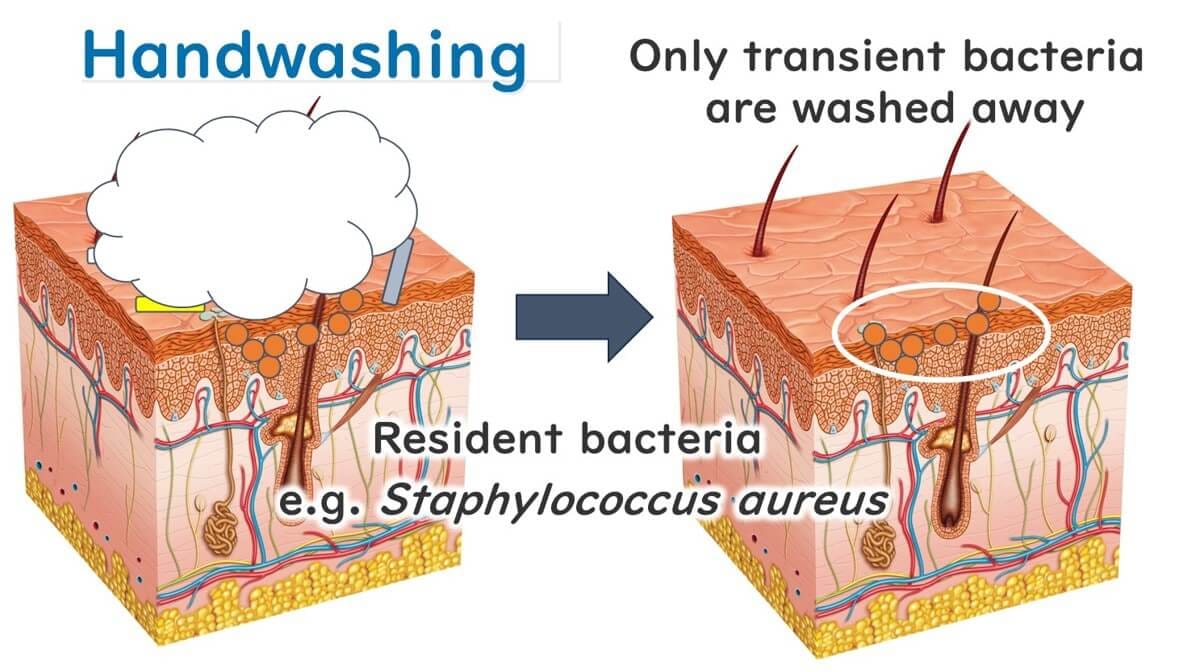
In contrast, resident bacteria naturally live on the palms. This group includes various types of staphylococci, such as the foodborne pathogen Staphylococcus aureus. These microorganisms thrive by consuming nutrients like sweat and lipids secreted by the skin.
Resident bacteria are not confined to the surface of the skin; they also inhabit deeper layers, such as hair follicles. As a result, they are not easily removed, even with thorough handwashing.
Understanding the difference between transient and resident bacteria is essential for improving hygiene practices and minimizing the risk of contamination, especially in food-related environments.
Why Handwashing Can't Eliminate All Bacteria
In my university classes, I conduct an annual experiment with students to measure the number of microbes on their hands before and after washing, using the plate culture method. Over the course of 10 years, we observed a surprising result: in some cases, the number of bacteria on their hands actually increased after washing.
(Note: The students used their usual handwashing methods, not the rigorous procedures recommended in food factories. Therefore, results may vary depending on factors such as technique, type of soap, and washing duration, and cannot be generalized.)
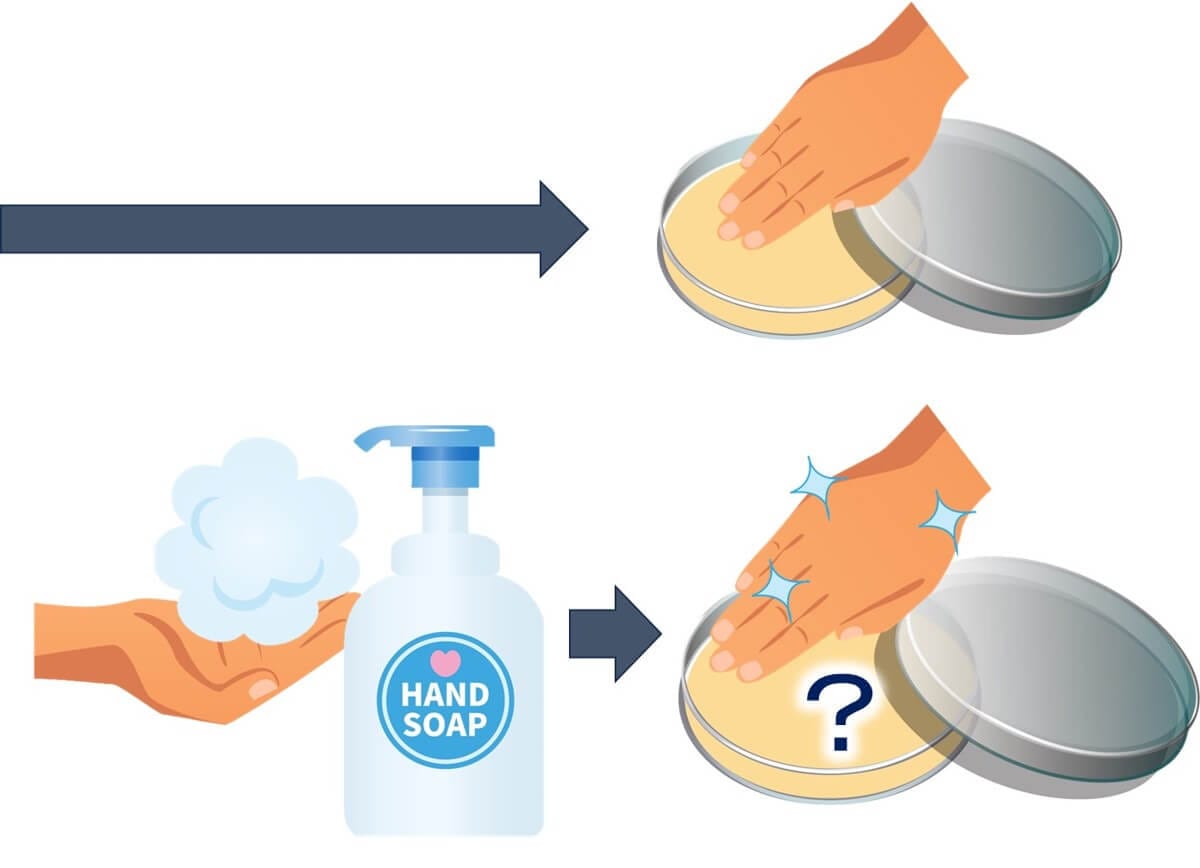
This experiment highlights an important fact: while handwashing is effective at removing most transient bacteria, it does not easily eliminate resident bacteria, such as those naturally living on the palms. In fact, washing hands can sometimes bring resident bacteria, including Staphylococcus aureus, to the surface.
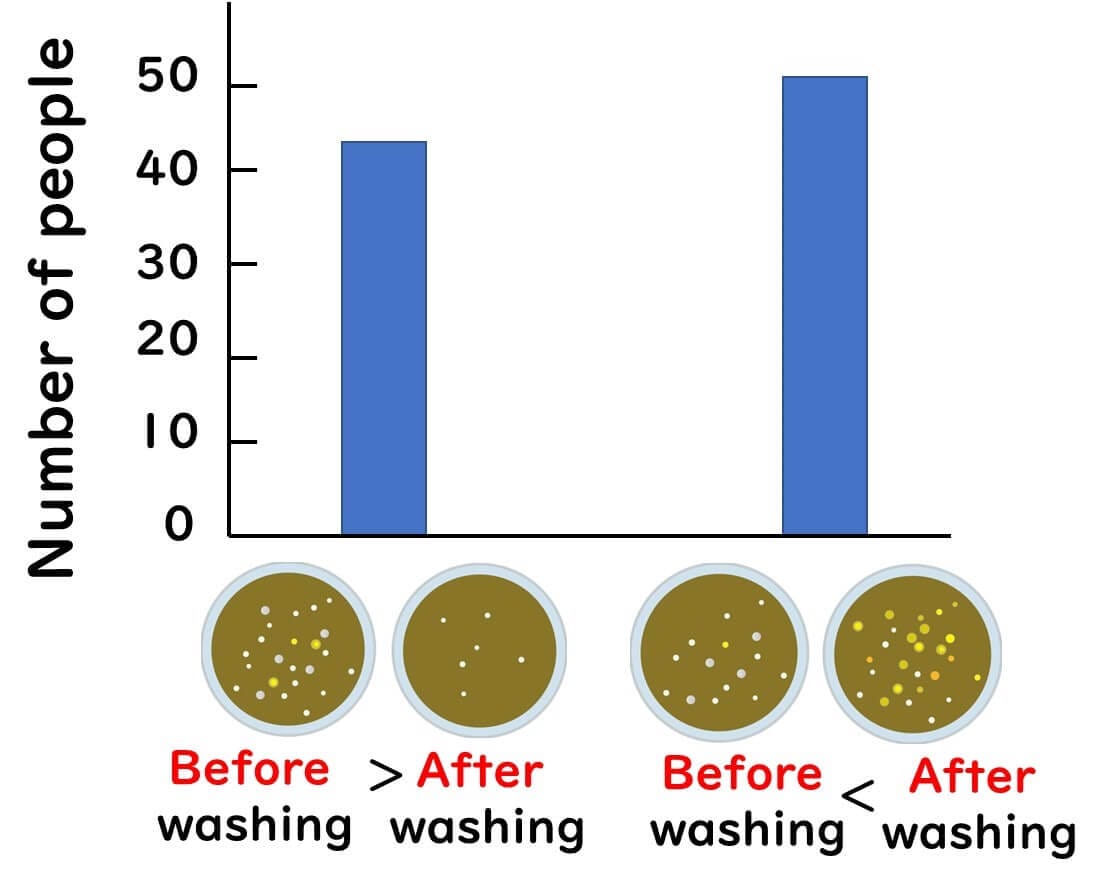
It’s critical to understand that handwashing does not make hands sterile. While it is effective at reducing harmful bacteria picked up from the environment, resident bacteria like Staphylococcus aureus remain embedded in the skin.
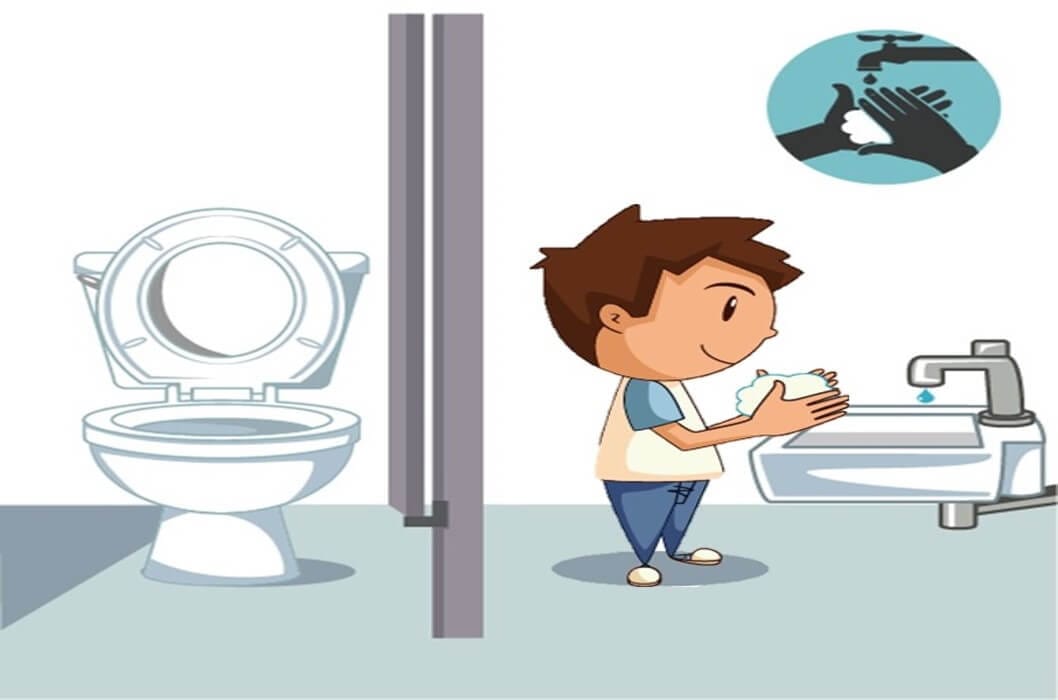
This underscores the importance of never handling food with bare hands in food manufacturing or sales environments. Resident bacteria from the palms, including Staphylococcus aureus, can easily be transferred to food, posing a potential safety risk.

Related posts:
Why 70% Ethanol is the Star of Sterilization: Mechanisms and Limitations In the world of ethanol sterilization, 70% concentration is the...
Optimizing Sodium Hypochlorite Use in Food Factories: Key Insights and Practical Tips Explore the essential role of sodium hypochlorite in maintaining cleanliness...
Unlocking the Power of Acidic Electrolyzed Water in Food Safety Discover the science and applications of acidic electrolyzed water (hypochlorous...
The Role of Peroxyacetic Acid Formulations in Food Factory Disinfection Discover how peroxyacetic acid formulations stand out as robust disinfectants...
Discover expert-led lessons in food microbiology designed for professionals and beginners alike.

Author of this Blog: Bon Kimura
Bon Kimura, Professor Emeritus at Tokyo University of Marine Science and Technology (TUMSAT), specializes in food microbiology. He obtained his PhD from Kyoto University and became a professor at TUMSAT in 2006, serving as Dean of the Faculty of Marine Science from 2012-2015. Kimura has published over 200 international papers on food safety, pathogens, and spoilage bacteria. He has received multiple awards, including the Japanese Society for Food Microbiology Award (2019). Kimura also served as an editor for the International Journal of Food Microbiology from 2012 to 2024, where he was the principal reviewer for 1,927 papers.
Copyright © Introduction to Food Microbiology and Safety All Rights Reserved.