Introduction to Food Microbiology and Safety
Organising Gram-Negative and Gram-Positive Bacteria: A Guide for Food Microbiology
Hello everyone! In this article, we’re diving into a topic that's becoming increasingly popular in science—identifying bacterial species through 16S rRNA gene sequencing. This method has brought remarkable detail and precision to bacterial classification. However, before getting lost in complex classifications, it’s essential for anyone in food microbiology to have a solid foundational understanding of bacteria, especially when dealing with Gram-negative and Gram-positive types. Let’s take a look at some key ways to categorise and remember these bacteria.
Why 16S rRNA Sequencing Alone Isn’t Enough
Over the last twenty years, 16S rRNA sequencing has vastly expanded the list of bacterial genera and species, flooding scientific research with new classifications. Although this progress is exciting—I've done plenty of research in this field myself—it also introduces challenges, especially in the applied world of food microbiology.
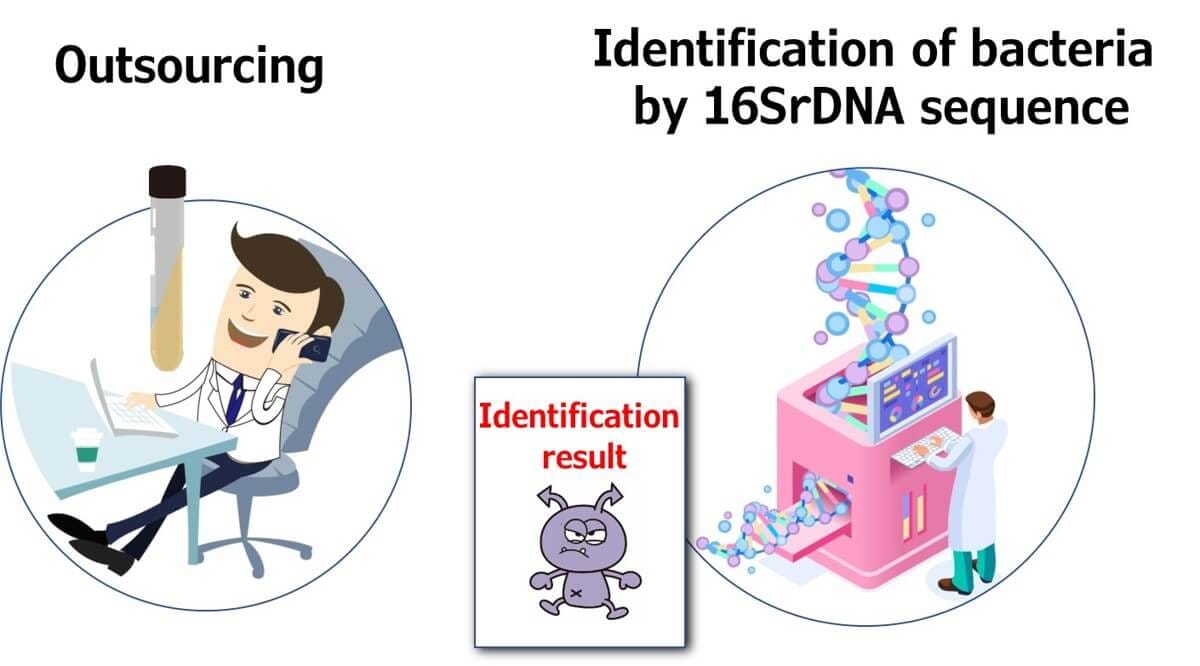
For example, groups like Pseudomonas and Staphylococcus that were once classified together are now subdivided into various new genera. While it's crucial to have accurate classifications based on DNA sequences, the influx of new names can be overwhelming. Many professionals find it difficult to relate these new classifications back to the traditional framework of bacterial classification.
The Importance of a Mental 'Sorting Box'
This is where a mental 'sorting box' becomes essential. Understanding where these newly classified bacteria fit within the broader categories helps us retain and apply this information more effectively. For those in food microbiology, having an organised way to remember key Gram-negative and Gram-positive bacteria is more practical than diving into every minute detail.

In food microbiology, it’s often more valuable to grasp the overarching framework of bacterial categories than to memorise every new genus or species.
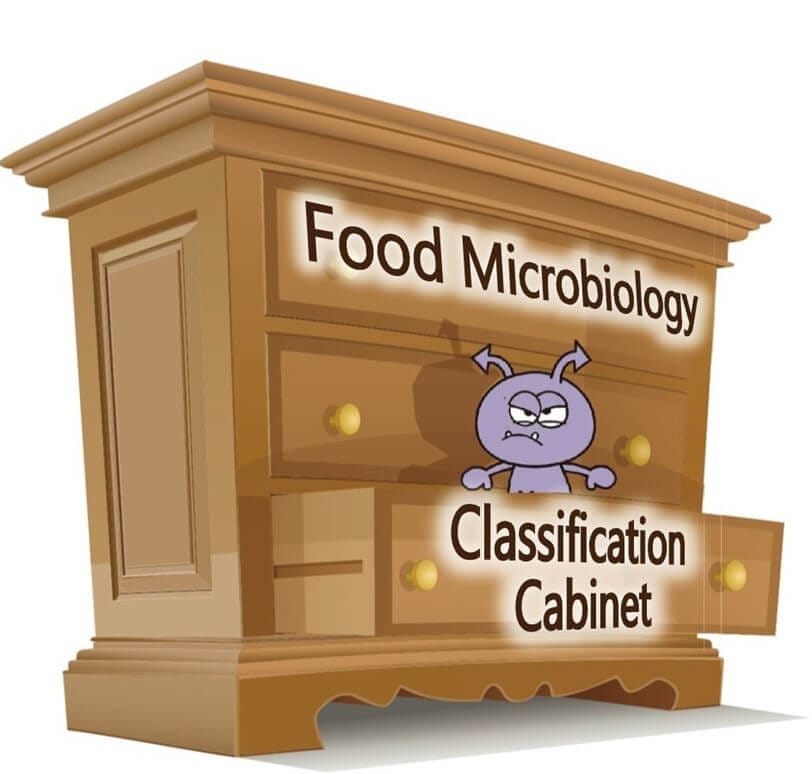
Brief Overview of Main Bacterial Categories in Food Microbiology
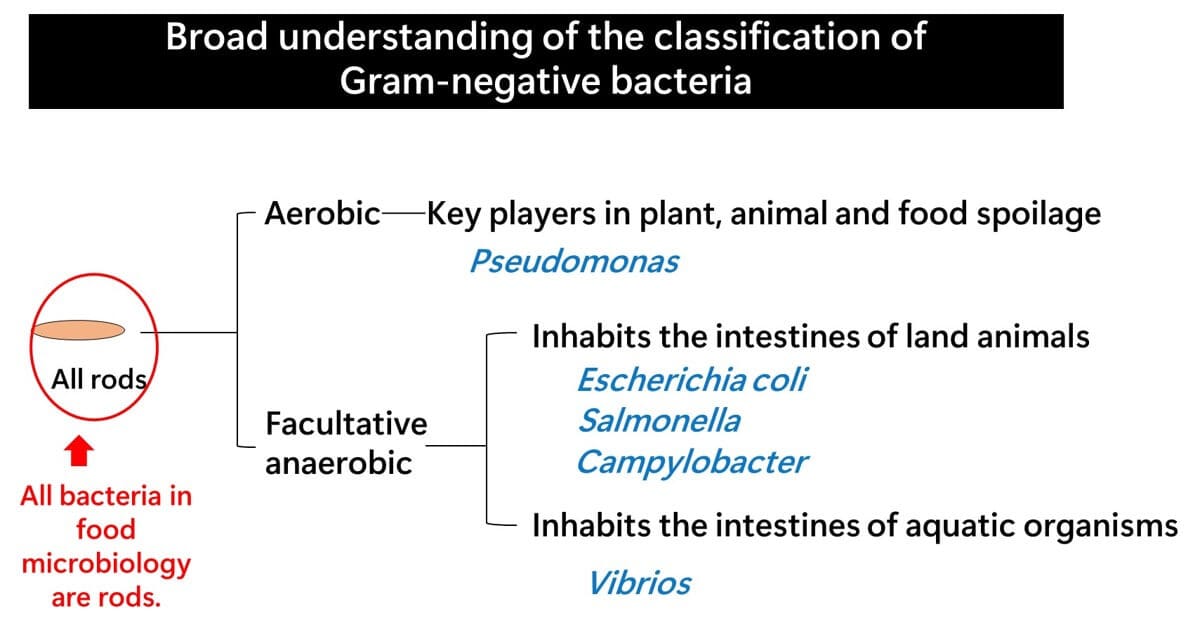
In this section, we provide an outline for categorising important bacteria relevant to food microbiology. Having this overview will be a handy reference for understanding the broad categories of Gram-negative and Gram-positive bacteria.
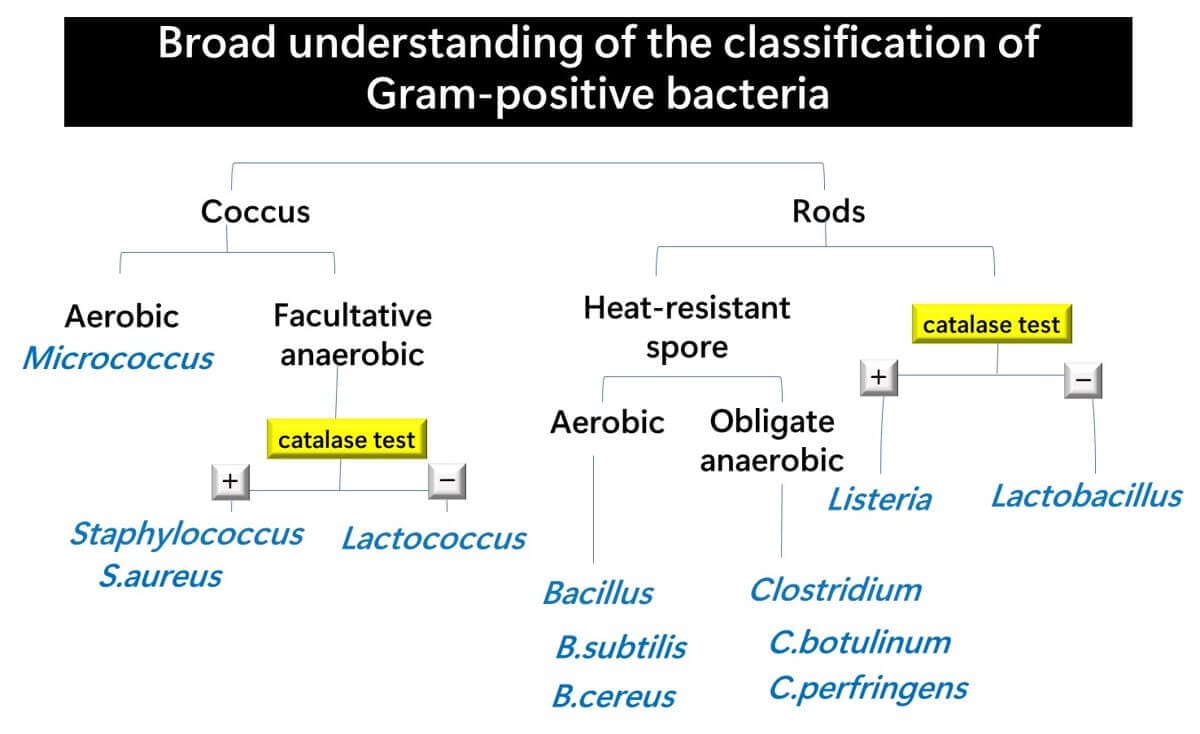
The following diagrams offer visual aids for sorting Gram-negative and Gram-positive bacteria in food microbiology. These will serve as a reference in future articles, where we’ll explore their roles and significance in more detail.
Related posts:
Microorganisms and Humanity: A Brief Encounter in Earth's 4-Billion-Year History (3) When studying food microbiology, it’s easy to focus solely on...
E. coli O157: Why Only Humans Suffer Foodborne Illness While Cattle Remain Unharmed? (3) As a university professor specialising in food microbiology, I often...
Can Salmonella and E. coli O157 Spread in Toilets or Through Conversation? Understanding Foodborne Bacteria Transmission (3) Welcome! In this article, we delve into some essential questions...
Lactic Acid Bacteria: From Fermentation Heroes to Food Spoilage Villains (3) Lactic acid bacteria are celebrated for their role in creating...

Discover expert-led lessons in food microbiology designed for professionals and beginners alike.

Author of this Blog: Bon Kimura
Bon Kimura, Professor Emeritus at Tokyo University of Marine Science and Technology (TUMSAT), specializes in food microbiology. He obtained his PhD from Kyoto University and became a professor at TUMSAT in 2006, serving as Dean of the Faculty of Marine Science from 2012-2015. Kimura has published over 200 international papers on food safety, pathogens, and spoilage bacteria. He has received multiple awards, including the Japanese Society for Food Microbiology Award (2019). Kimura also served as an editor for the International Journal of Food Microbiology from 2012 to 2024, where he was the principal reviewer for 1,927 papers.

Copyright © Introduction to Food Microbiology and Safety All Rights Reserved.