Introduction to Food Microbiology and Safety
Structural Differences in Gram-Positive and Gram-Negative Bacteria: Key Insights for Food Safety
The structural distinctions between Gram-positive and Gram-negative bacteria are fundamental to their characteristics, habitats, and responses to environmental stressors. This article delves into these differences and their implications for food hygiene management, providing essential knowledge for professionals in food safety and microbiology.
Next, I would like to briefly discuss the characteristics and differences in cell structures between Gram-positive and Gram-negative bacteria. Understanding their structural differences is closely related to their habitat, characteristics, and considerations for food hygiene management.
Gram-Positive Bacteria
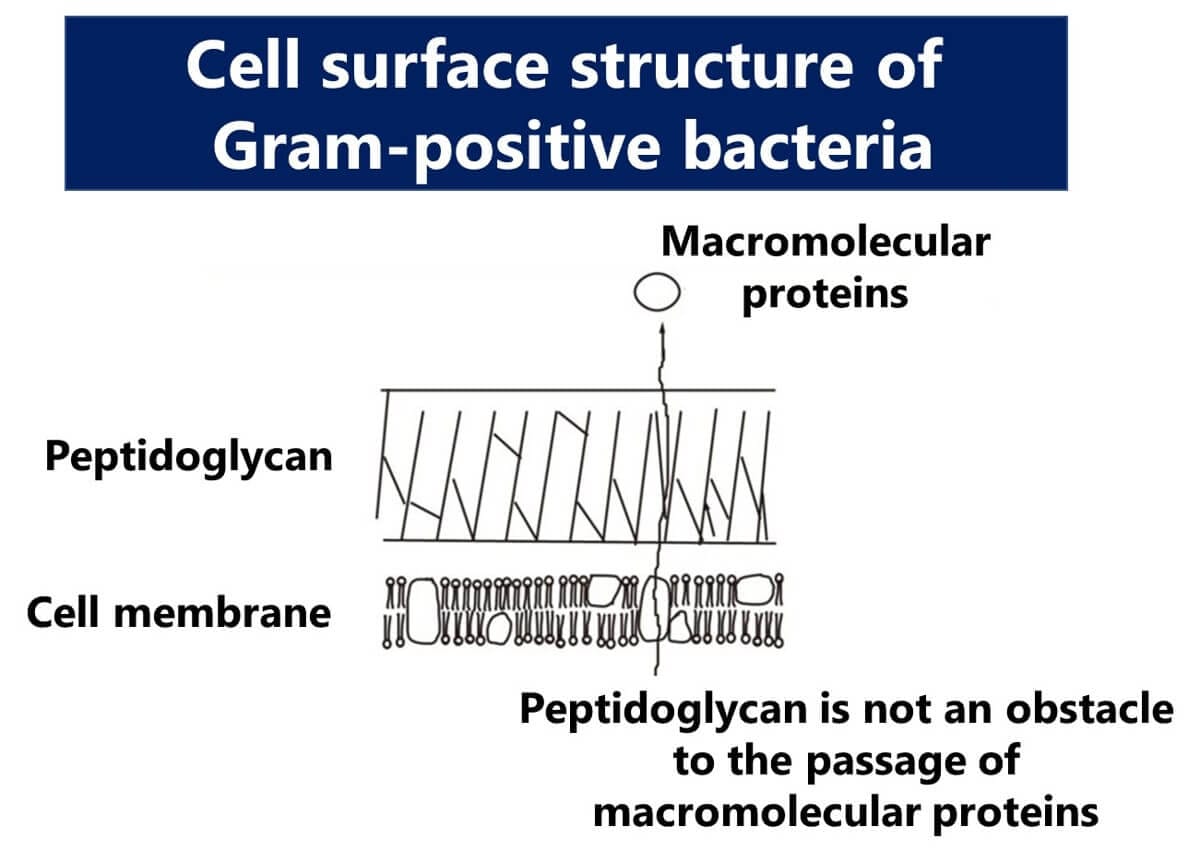
Gram-positive bacteria, which have a thick peptidoglycan layer in their cell walls, stain strongly in the Gram staining process. This robust cell wall structure provides significant physical strength and protection against environmental stressors, such as dryness and high salt concentrations.
Gram-Negative Bacteria
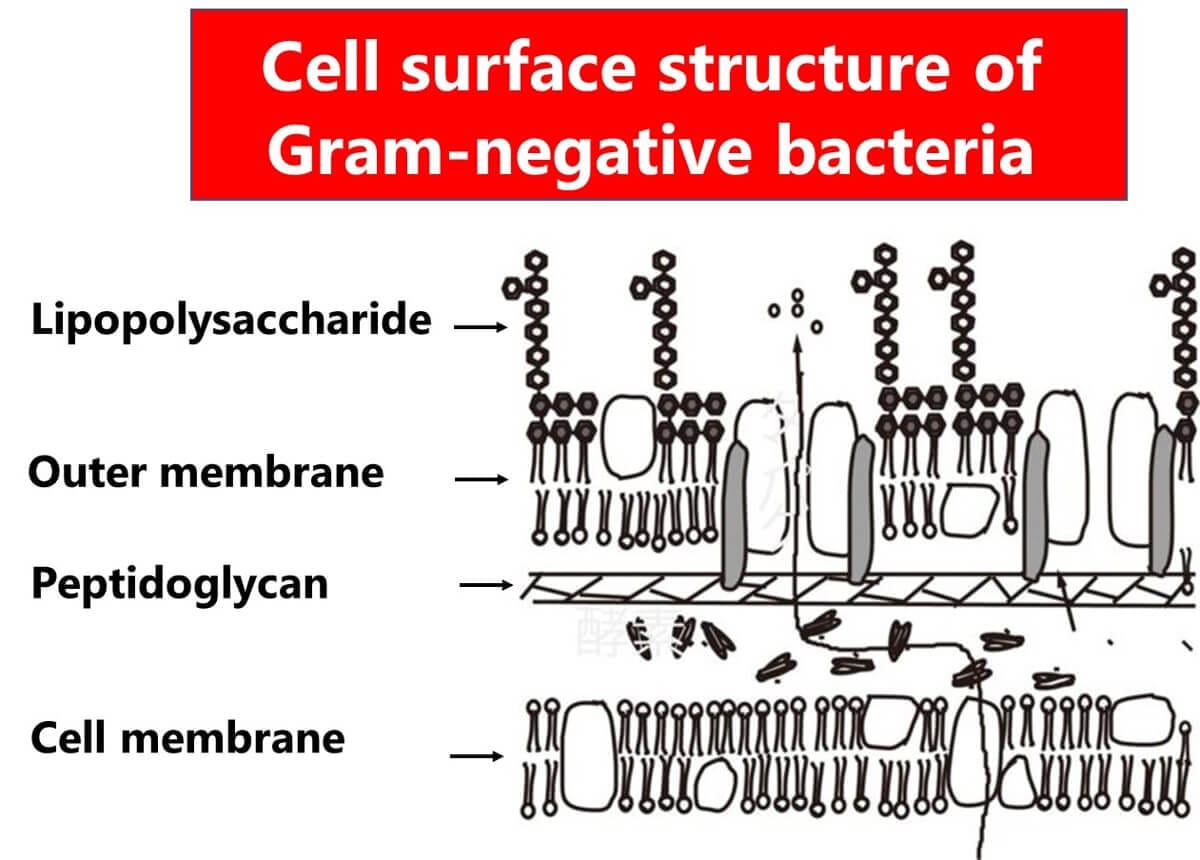
On the other hand, Gram-negative bacteria, with their thinner peptidoglycan layer, are enveloped by an outer membrane composed of lipopolysaccharides (LPS). This outer membrane functions as a chemical barrier, offering resistance to harmful substances while making these bacteria less physically resilient. During the Gram staining process, the outer membrane's chemical properties contribute to weaker staining compared to Gram-positive bacteria.
Key Comparisons
1. Cell Membrane vs. Cell Wall:
Bacteria, like all living organisms, have a cell membrane composed of phospholipids. While this provides flexibility, it lacks physical durability. The cell wall, which surrounds the membrane in bacteria, compensates for this limitation.
2. Evolutionary Adaptations:
Gram-positive bacteria: Evolved to thrive in terrestrial environments with varying temperatures and low moisture. Their thick peptidoglycan walls offer physical protection akin to a plant’s cellulose-based structure.
Gram-negative bacteria: Adapted to aquatic environments, they developed a chemically resistant outer membrane instead of a thick physical barrier, prioritizing chemical defense over physical robustness.
Related posts:
Microorganisms and Humanity: A Brief Encounter in Earth's 4-Billion-Year History (3) When studying food microbiology, it’s easy to focus solely on...
Food Microbiology: Understanding the Human-Microbe Battle (3) In this article, aimed at beginners in the fields of...
Why Don’t Lactic Acid Bacteria Have Heme? Unveiling the Unique Characteristics of Catalase-Negative Bacteria (3) In this article, we’ll delve into a unique question in...
Homo- and Heterofermentative Lactic Acid Bacteria (3) When it comes to lactic acid bacteria, we can divide...

Discover expert-led lessons in food microbiology designed for professionals and beginners alike.

Author of this Blog: Bon Kimura
Bon Kimura, Professor Emeritus at Tokyo University of Marine Science and Technology (TUMSAT), specializes in food microbiology. He obtained his PhD from Kyoto University and became a professor at TUMSAT in 2006, serving as Dean of the Faculty of Marine Science from 2012-2015. Kimura has published over 200 international papers on food safety, pathogens, and spoilage bacteria. He has received multiple awards, including the Japanese Society for Food Microbiology Award (2019). Kimura also served as an editor for the International Journal of Food Microbiology from 2012 to 2024, where he was the principal reviewer for 1,927 papers.

Copyright © Introduction to Food Microbiology and Safety All Rights Reserved.