Introduction to Food Microbiology and Safety
How Glycine Extends the Microbiological Shelf Life of Japanese Convenience Foods
In Japanese convenience stores and supermarkets, the simple amino acid glycine plays a pivotal role in extending the shelf life of popular foods like bento boxes, side dishes, and bakery sweets. This blog post will explore the antibacterial properties of glycine, its unique function in preventing microbial growth, particularly against bacteria forming heat-resistant spores, and its contribution to the flavor profiles of various foods. Dive into the science behind glycine, understanding why this ingredient is so crucial in keeping your favourite convenience foods both safe and delicious.
In Japan, the most widely used antibacterial agents for food preservation currently are sodium acetate and glycine. When you buy bento boxes, side dishes, or confectionery breads at convenience stores or supermarkets, the ingredient list almost invariably includes sodium acetate and glycine. Essentially, the system extending the microbiological shelf life of today’s bentos, side dishes, and bakery sweets largely hinges on these two compounds.
As we’ve already covered the role of sodium acetate and its mechanism of action as an organic acid, I’ll skip over it here. If you need a primer on sodium acetate and its relationship with pH and microbial growth, have a look below:
The Relationship Between Microbial Growth, Mortality and pH
Now, let’s dive into the role and mechanism of action of glycine as an antibacterial agent.

Glycine is currently the most extensively used preservative in Japanese food products, mentioned on many labels alongside sodium acetate.
Glycine is the simplest of the amino acids and is one of the 20 essential amino acids that make up proteins. It is particularly abundant in seafood such as shrimp and crab, playing a crucial role in their flavor profile. Even when not listed as "glycine," this amino acid lends a sweet flavor, so it can also be classified as a seasoning. Thus, it might be added as a seasoning as well.
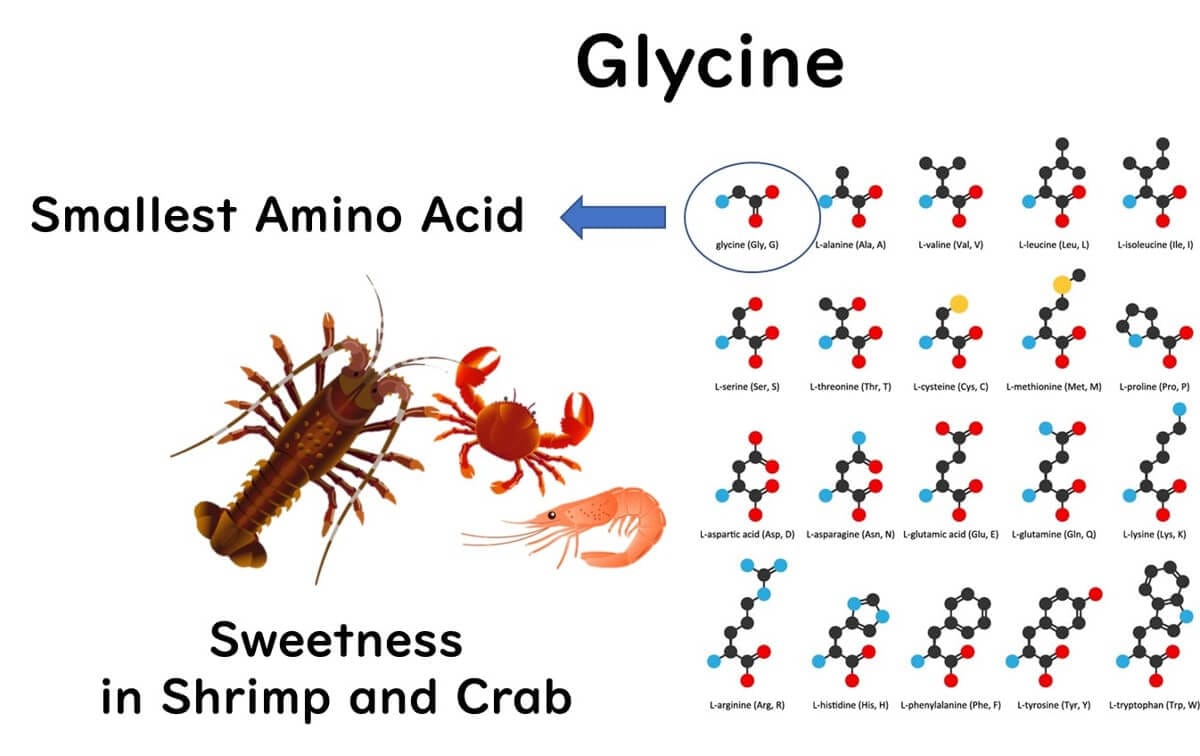
Glycine is widely used to inhibit microbial growth. It is especially effective against bacteria that form heat-resistant spores, but it shows almost no antibacterial activity against fungi like molds and yeasts.
The current thinking on why glycine inhibits microbial growth is as follows (Hammes et al., 1973):
Microbial cells are composed of a polymer structure called peptidoglycan.
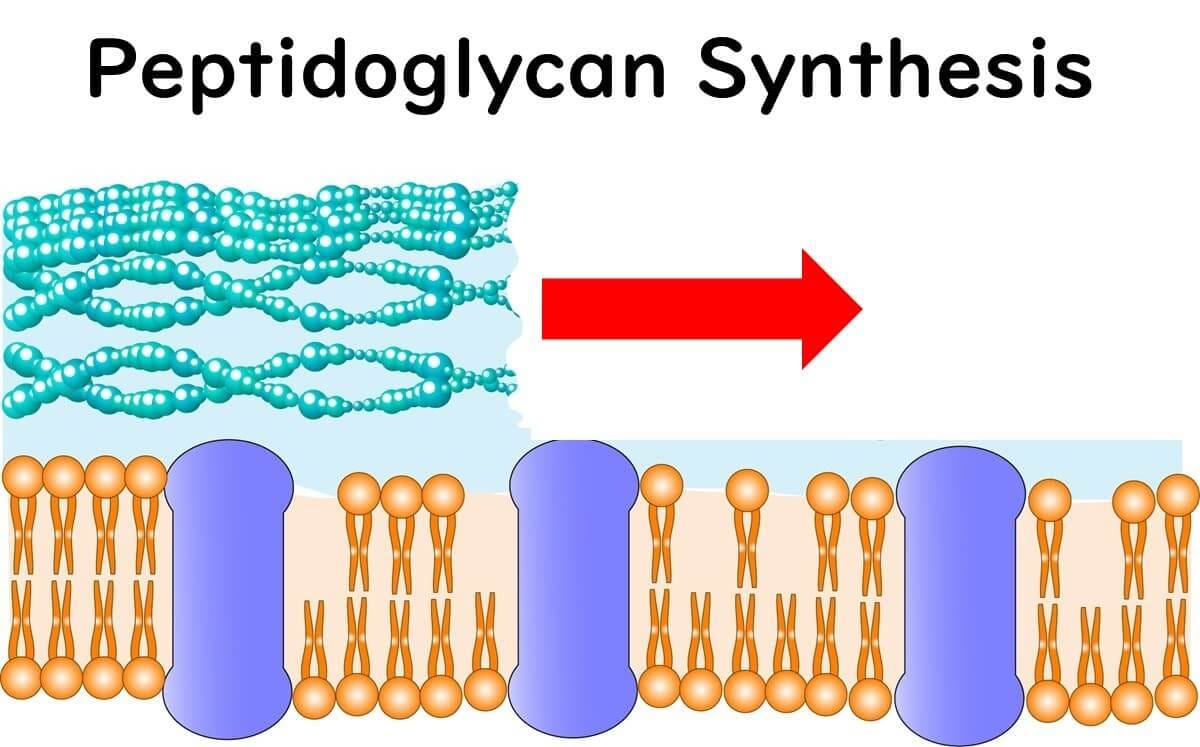
When there is a high concentration of glycine around the microbes, it disrupts the uptake of amino acids into the peptidoglycan precursors. Instead of incorporating alanine, as it should, glycine gets incorporated.

When glycine is incorporated into the peptidoglycan precursor, it reduces the substrate affinity of the peptidoglycan synthesizing enzymes, making it difficult to form stable peptidoglycan structures.
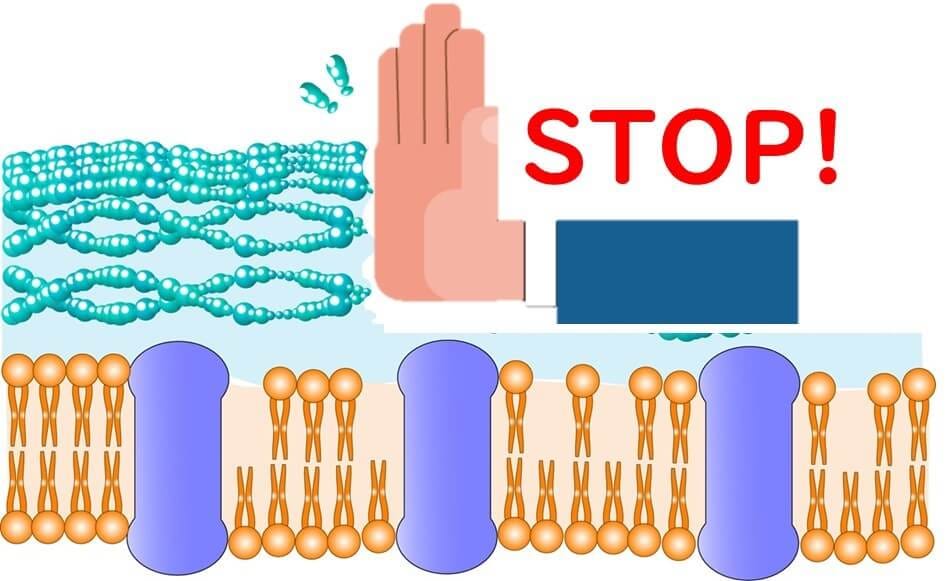
Notably, since glycine inhibits the peptidoglycan synthesis process, it is ineffective against organisms that do not have a peptidoglycan structure, such as fungi.
Related posts:
Microbial Growth and Temperature: Key Insights for Food Safety Understanding how microbes interact with temperature is essential for food...\
What Happens When Bacteria Are Frozen? Do They Die or Survive? Explore the surprising effects of freezing on bacteria in this...
How pH Influences Microbial Growth and Organic Acids as Antimicrobials In this riveting exploration, we dive into how pH affects...
Water Activity Explained: What is It and How Does it Differ from Water Content? In this article, we'll dive into the intriguing world of...
Categories

Discover expert-led lessons in food microbiology designed for professionals and beginners alike.

Author of this Blog: Bon Kimura
Bon Kimura, Professor Emeritus at Tokyo University of Marine Science and Technology (TUMSAT), specializes in food microbiology. He obtained his PhD from Kyoto University and became a professor at TUMSAT in 2006, serving as Dean of the Faculty of Marine Science from 2012-2015. Kimura has published over 200 international papers on food safety, pathogens, and spoilage bacteria. He has received multiple awards, including the Japanese Society for Food Microbiology Award (2019). Kimura also served as an editor for the International Journal of Food Microbiology from 2012 to 2024, where he was the principal reviewer for 1,927 papers.

Copyright © Introduction to Food Microbiology and Safety All Rights Reserved.