Introduction to Food Microbiology and Safety
Understanding Disinfectant Mechanisms in Food Factories: The Key to Effective Microbial Control
In the critical battlefield of food factories, where invisible foes like microbes threaten food safety daily, understanding disinfectant mechanisms is essential. This knowledge is the cornerstone of effective microbial control, and at the heart of every strategy lies a vital target: the cell membrane. Let’s explore this foundational principle that underpins all disinfectant actions.
The Cell Membrane: A Critical Target for Disinfectants in Food Factories
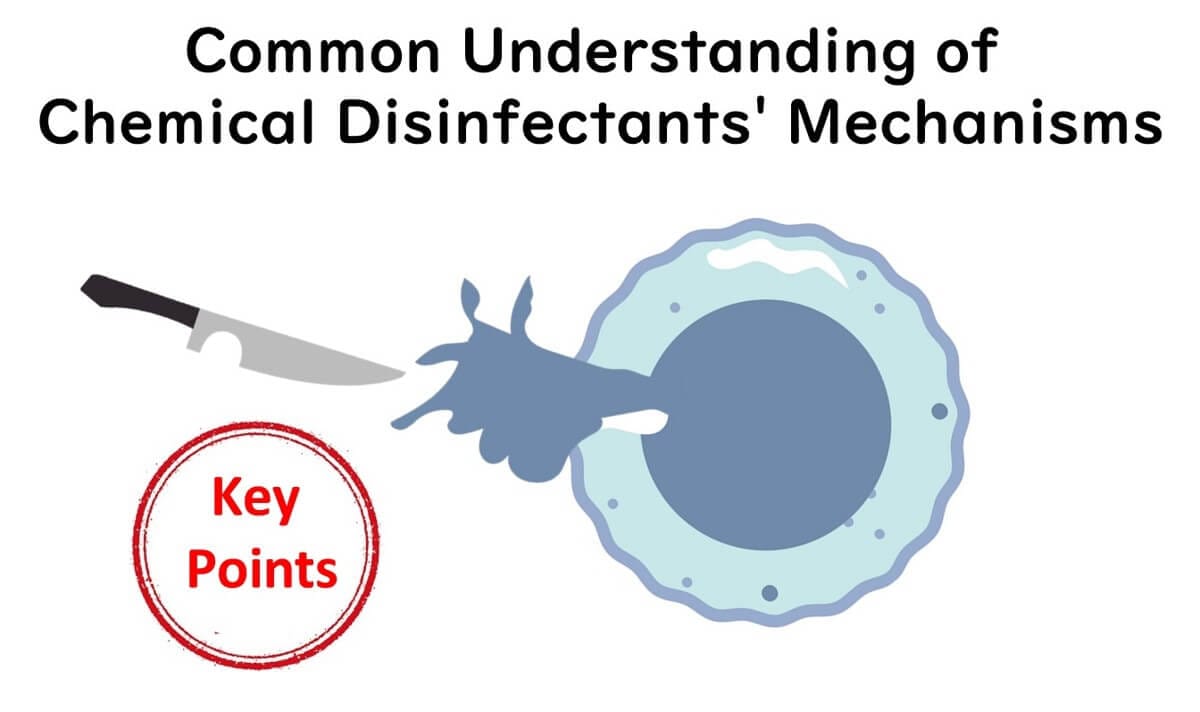
The cell membrane acts as a protective fortress for microbial cells, much like a castle wall. Constructed from a double layer of lipid molecules, it serves as a barrier and a complex gateway, regulating the flow of essential materials in and out of the cell. However, just as every fortress has its vulnerabilities, the cell membrane is the primary target for most disinfectants used in food factories.
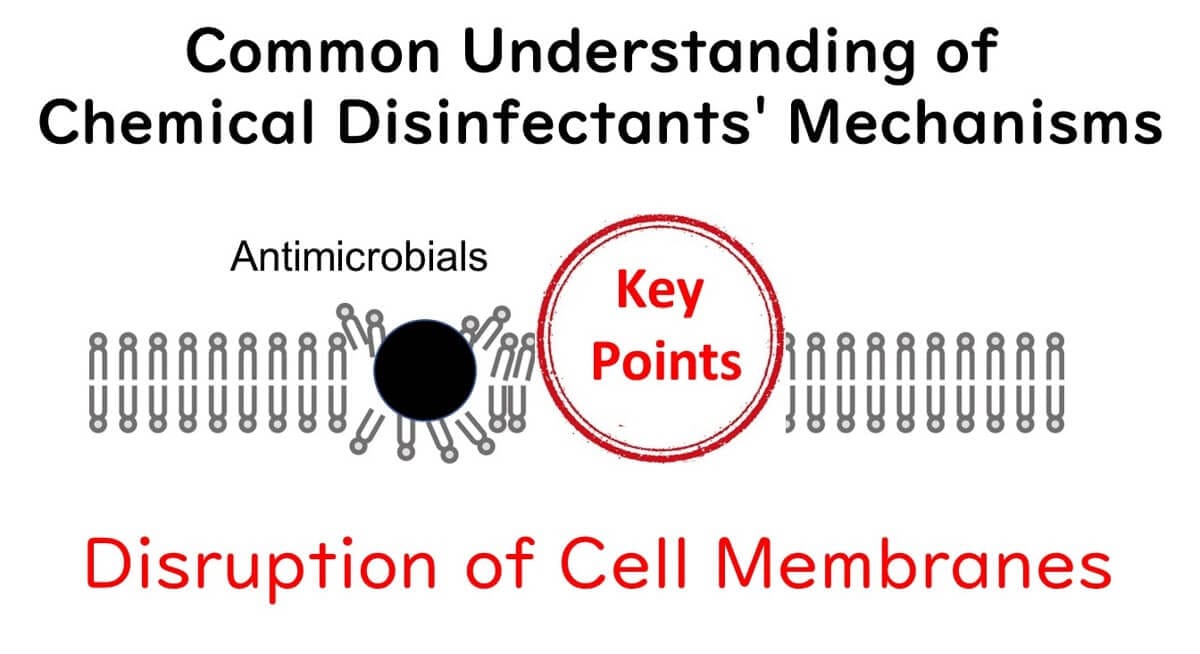
Why is the membrane such a critical target? Because breaching it unleashes chaos within the cell. Once the membrane is compromised, the internal contents—vital proteins, genetic material, and other components—spill out, disrupting microbial function. This disruption is often the first and most decisive step in the action of disinfectants, effectively halting microbial activity before other cellular damage occurs.
Beyond the Cell Membrane: Recognizing the Primary Role of Membrane Disruption
As an editor of academic journals on microbiological disinfectants, I’ve reviewed numerous studies emphasizing the destruction of DNA or proteins by various agents. While these findings are valid, they often overlook the crucial first step: the disruption of the cell membrane. This oversight is akin to describing the collapse of buildings during a siege without acknowledging the breach of the city walls that allowed invaders to enter.
In most cases, the disruption or destruction of the cell membrane is the primary event leading to microbial inactivation. Once the membrane is compromised, microbial growth halts, and the organism is rendered inactive long before detailed intracellular damage can be observed. Understanding this foundational mechanism is essential, much like mastering basic principles before tackling advanced concepts in science or engineering.
A Guide for Mastering Disinfectant Strategies in Food Factories
For those eager to deepen their understanding of disinfectants and their applications in food factories, I encourage you to explore the section titled 'The Essential Role of Cleaning Agents in Food Safety: Tackling Grime and Germs in Food Factories.' This resource provides a wealth of practical knowledge and strategies to enhance your efforts in maintaining purity and safety in food production environments.
The journey into the world of disinfectants is not merely about the destruction of microbial components. It is about comprehending the strategic importance of breaching the cell’s most formidable barrier—the cell membrane—and the cascade of effects that follow. This fundamental understanding forms the cornerstone of effective microbial control, marking the first step in mastering this vital aspect of food safety.
Related posts:
Why 70% Ethanol is the Star of Sterilization: Mechanisms and Limitations In the world of ethanol sterilization, 70% concentration is the...
Optimizing Sodium Hypochlorite Use in Food Factories: Key Insights and Practical Tips Explore the essential role of sodium hypochlorite in maintaining cleanliness...
Unlocking the Power of Acidic Electrolyzed Water in Food Safety Discover the science and applications of acidic electrolyzed water (hypochlorous...
The Role of Peroxyacetic Acid Formulations in Food Factory Disinfection Discover how peroxyacetic acid formulations stand out as robust disinfectants...
Categories
Discover expert-led lessons in food microbiology designed for professionals and beginners alike.

Author of this Blog: Bon Kimura
Bon Kimura, Professor Emeritus at Tokyo University of Marine Science and Technology (TUMSAT), specializes in food microbiology. He obtained his PhD from Kyoto University and became a professor at TUMSAT in 2006, serving as Dean of the Faculty of Marine Science from 2012-2015. Kimura has published over 200 international papers on food safety, pathogens, and spoilage bacteria. He has received multiple awards, including the Japanese Society for Food Microbiology Award (2019). Kimura also served as an editor for the International Journal of Food Microbiology from 2012 to 2024, where he was the principal reviewer for 1,927 papers.

Copyright © Introduction to Food Microbiology and Safety All Rights Reserved.